

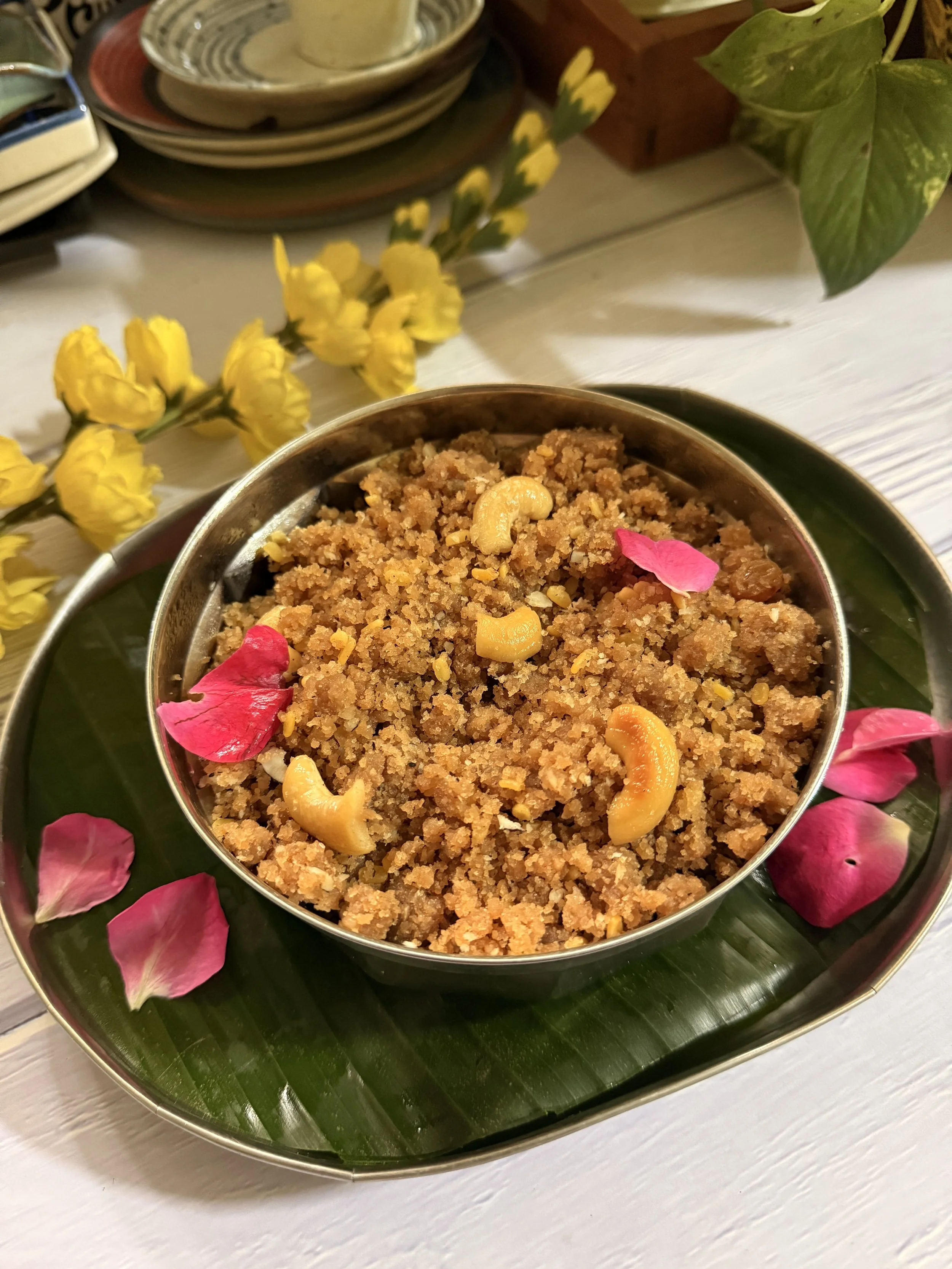
Thiruvadirai Kali
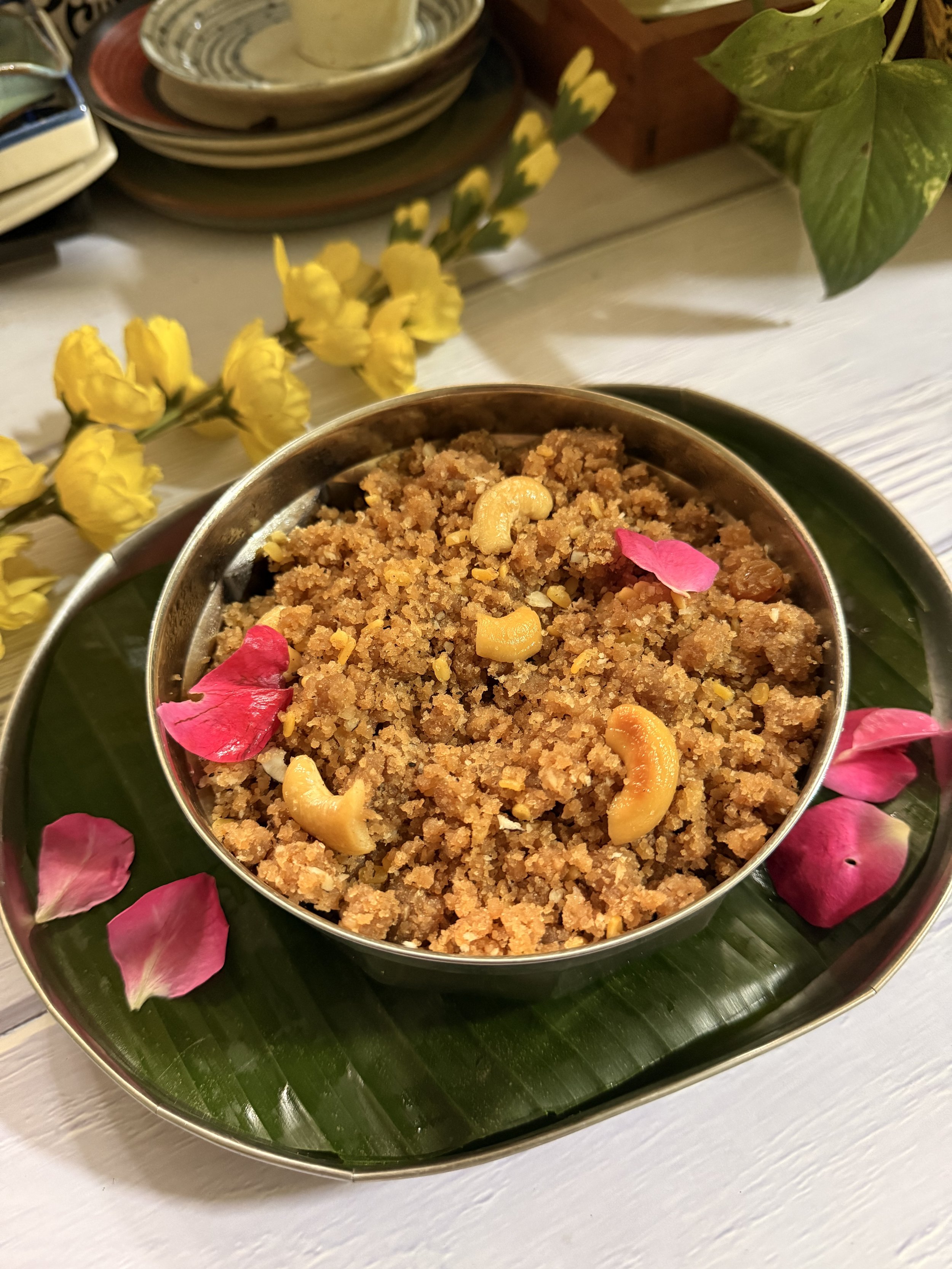
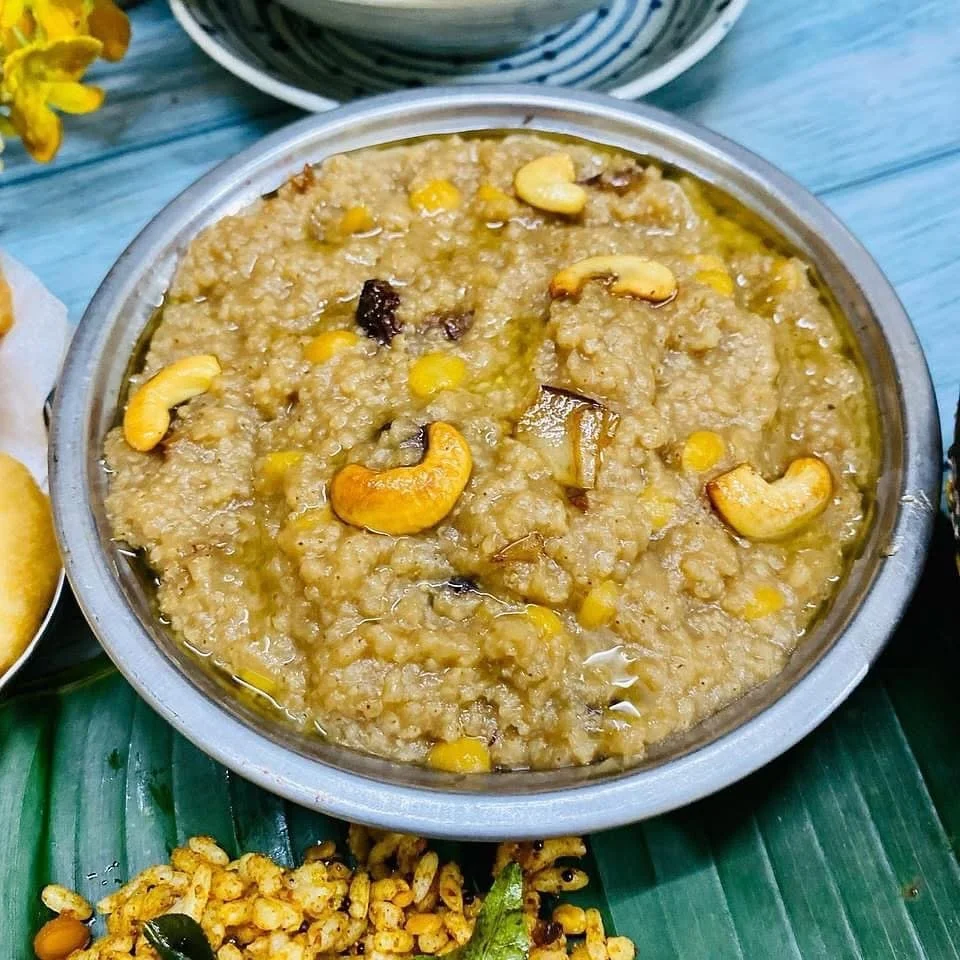
Thiruvadirai kali
Thiruvadirai Kali
Thiruvadirai Kali is one of those dishes that feels deeply rooted in tradition — simple ingredients, slow cooking, and a method that rewards patience. This version gives you a perfectly cooked, fluffy kali without the need for pressure cooking, especially when made in a heavy-bottomed pot.
Ingredients
1 cup raw rice
4 tbsp moong dal, washed and soaked for 30 minutes
Method
Wash the raw rice well, drain completely, and spread it on a clean cloth. Let it rest for about 15 minutes to absorb excess moisture.
Heat a heavy-bottomed pan and dry roast the rice until it turns slightly reddish and aromatic. You will hear the rice popping while roasting — a good sign that it’s done. Remove from heat, allow it to cool, and grind into a slightly grainy flour. Do not make it too fine.
In a heavy-bottomed pot, add 1 cup jaggery powder and 2¼ cups water. Bring it to a boil until the jaggery melts completely. Filter the jaggery water to remove impurities and return it to the stove.
Once it starts boiling again, add:
a small pinch of salt
a pinch of cardamom powder
4 tbsp fresh grated coconut
Lower the flame and slowly add the prepared rice flour, stirring continuously to prevent lumps. Keep stirring and mashing gently as you go.
Add 2 tbsp ghee and mix well to smooth out any remaining small lumps. Cover the pot, keep the flame on the lowest setting, and cook for 5–7 minutes. Keep a close eye to ensure it doesn’t burn at the bottom.
By the 5th or 6th minute, all the water will be absorbed and the kali will look smooth and firm. Switch off the flame and let it rest, covered, for 5–10 minutes.
After resting, gently turn the kali with a ladle. You’ll notice it becomes fluffy, well-cooked, and starts to take on a soft, crumbly texture. Your delicious Thiruvadirai Kali is ready.
Why This Method Works
Cooking in a heavy-bottomed pot ensures even heat distribution, allowing the kali to cook perfectly without the need for a pressure cooker. This method works beautifully in a bronze uruli or traditional Pongal pot, though a good heavy steel vessel works just as well.
Ghee Tempering
Heat 2 tbsp ghee in a small pan.
Add the drained moong dal and roast until aromatic.
Next, roast cashew nuts until golden.
Add 3–4 tbsp fresh grated coconut and roast briefly.
Add this tempering to the prepared kali and mix well.
Tip
You can also ghee-roast the moong dal and add it directly to the jaggery water along with the rice flour, allowing it to cook together.
I prefer adding it after the kali is done — the ghee-roasted dal, cashew bits, and coconut remain distinct and add wonderful texture and flavour to the final dish.
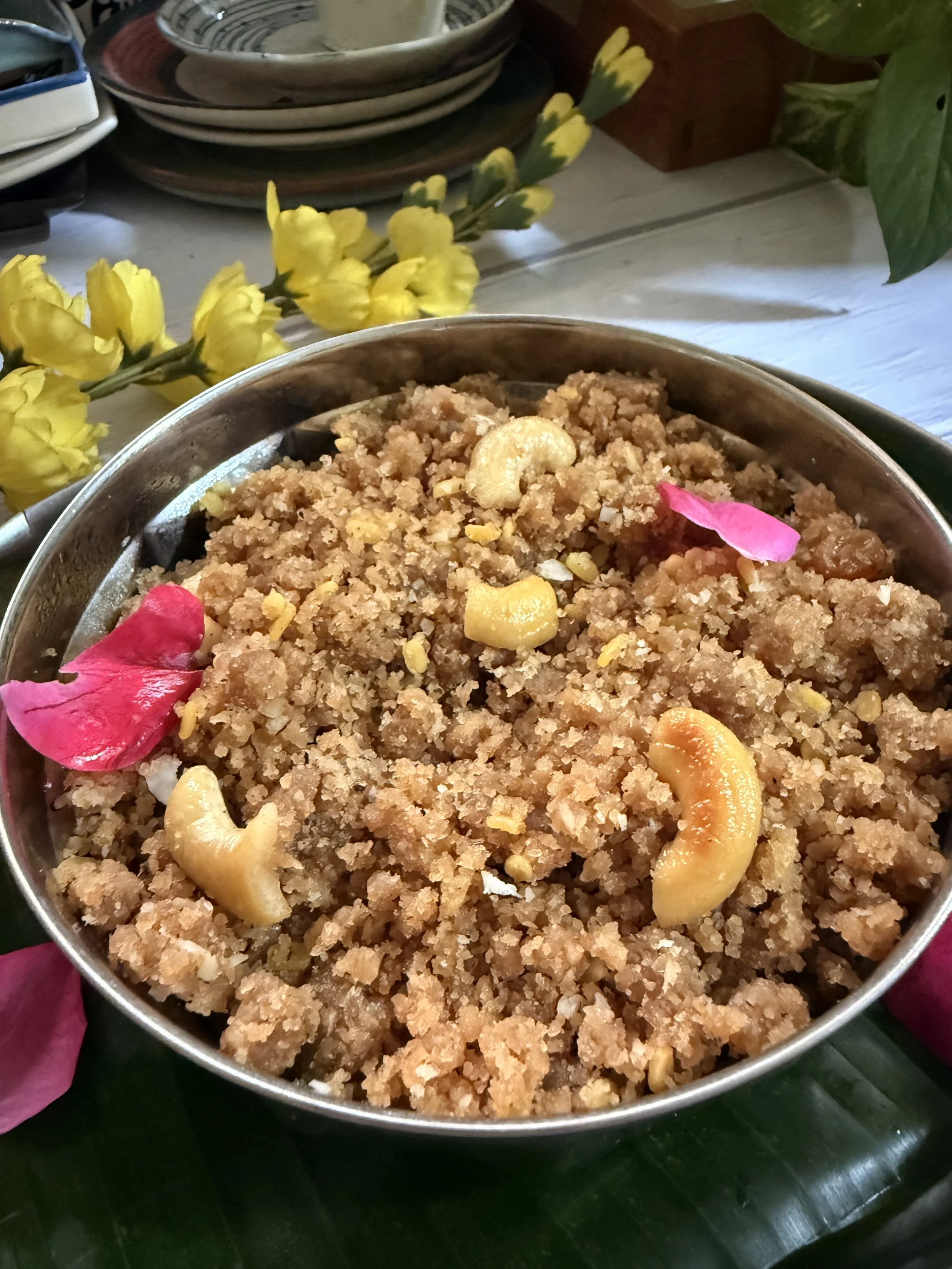
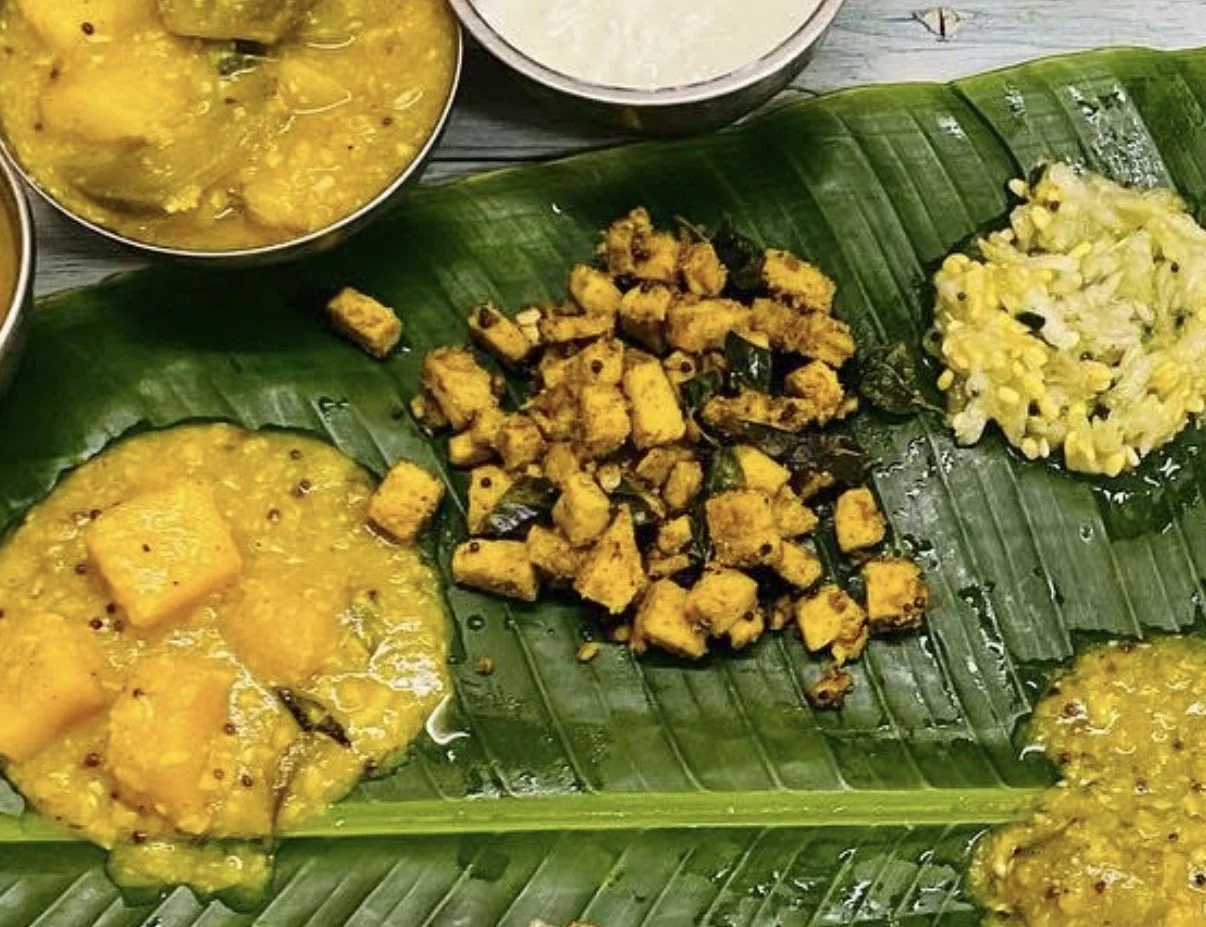
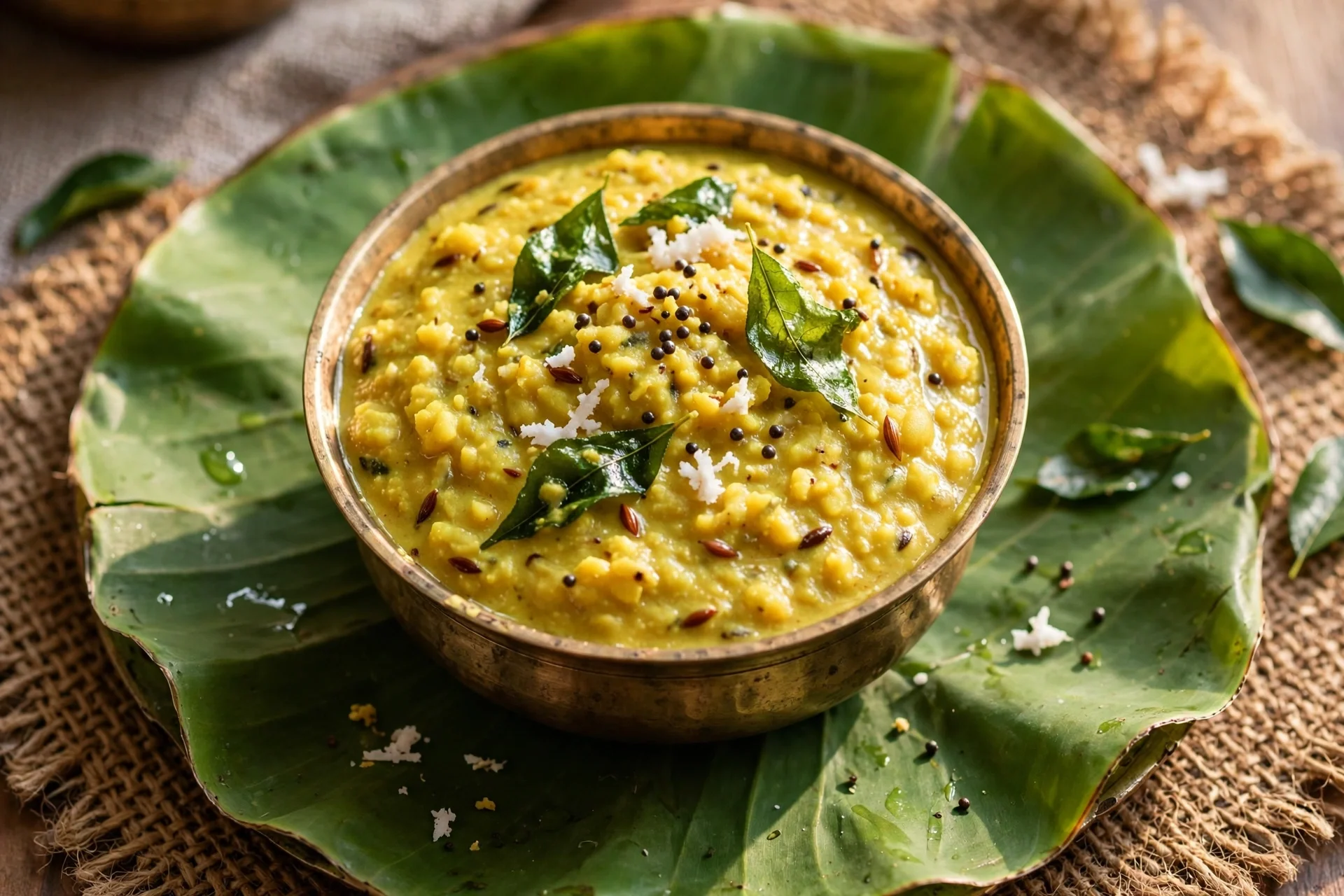
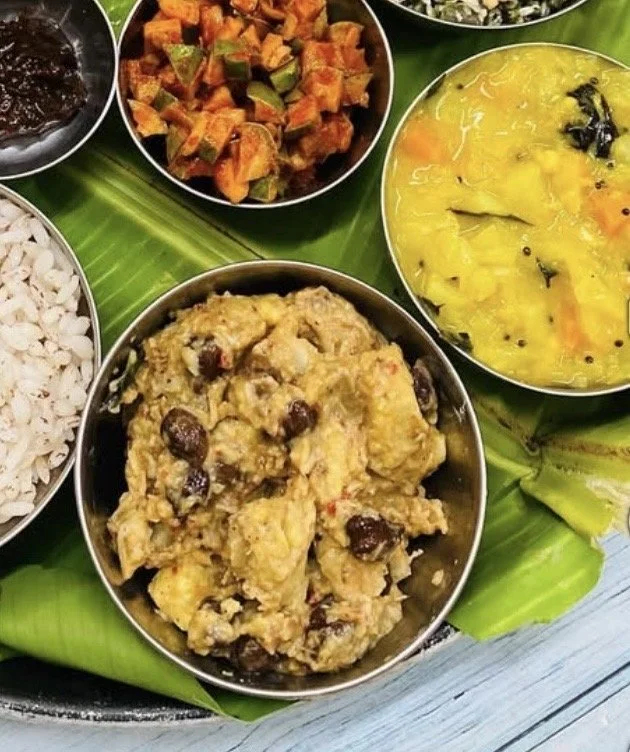
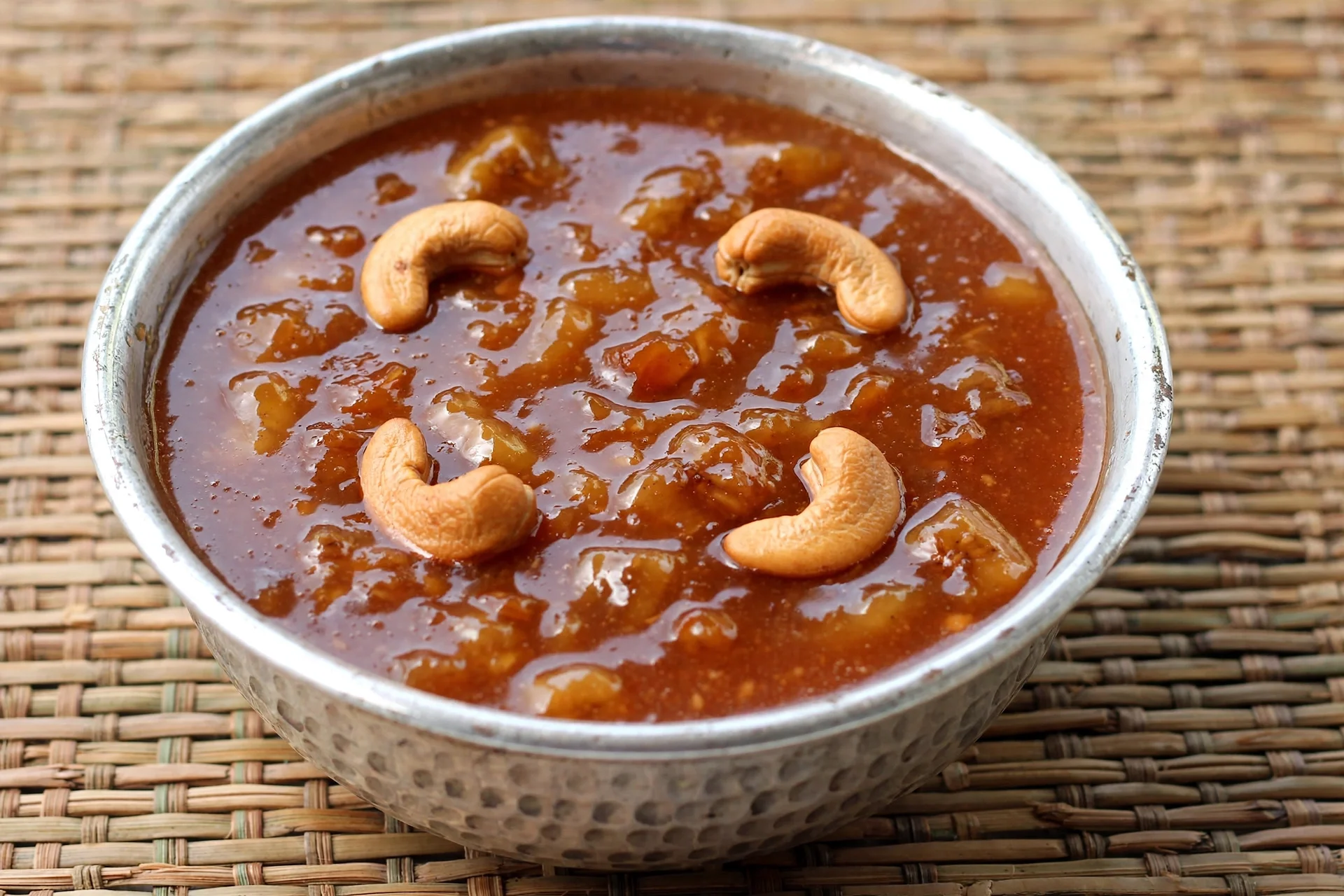
Thiruvadirai kali
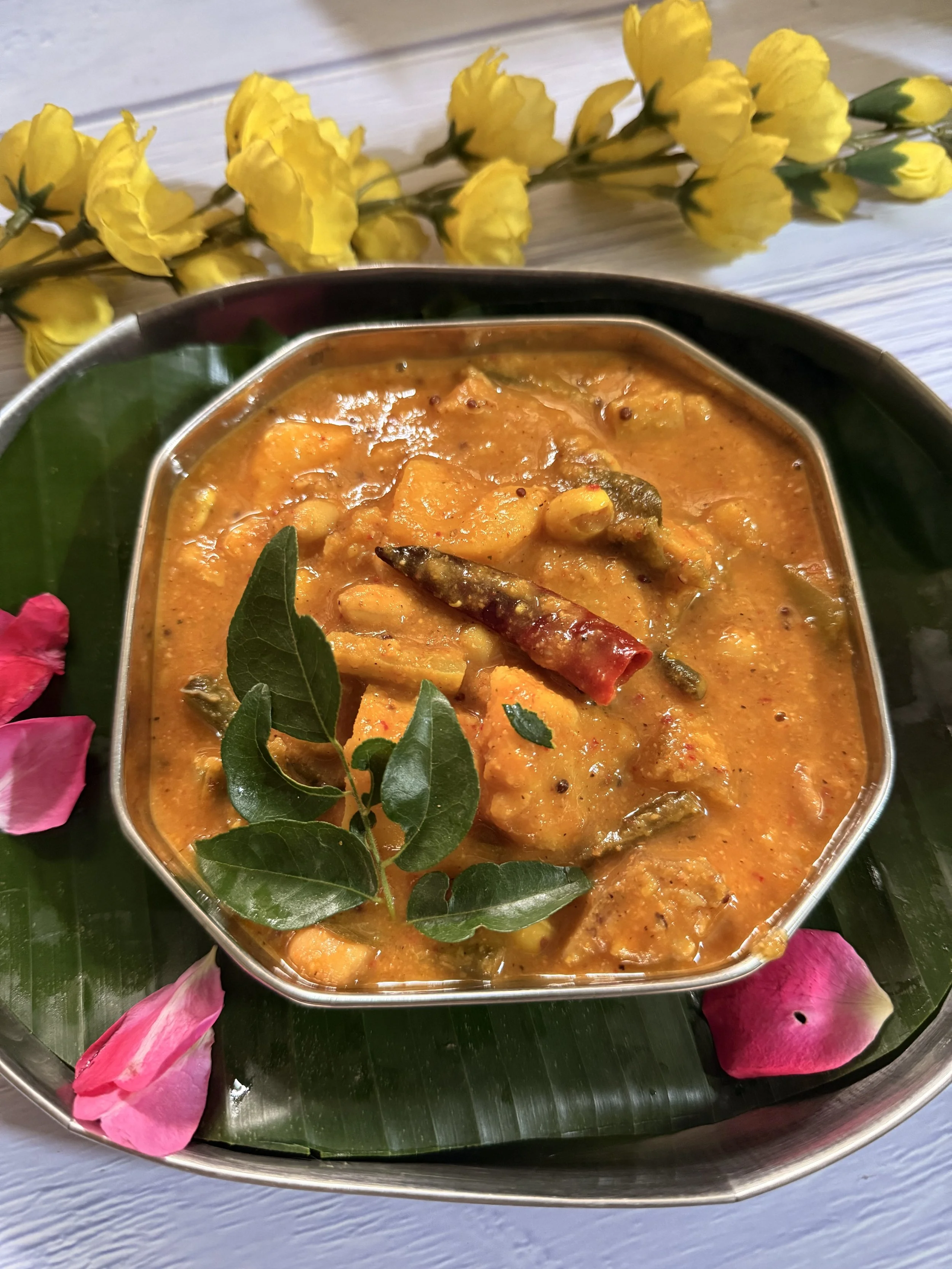
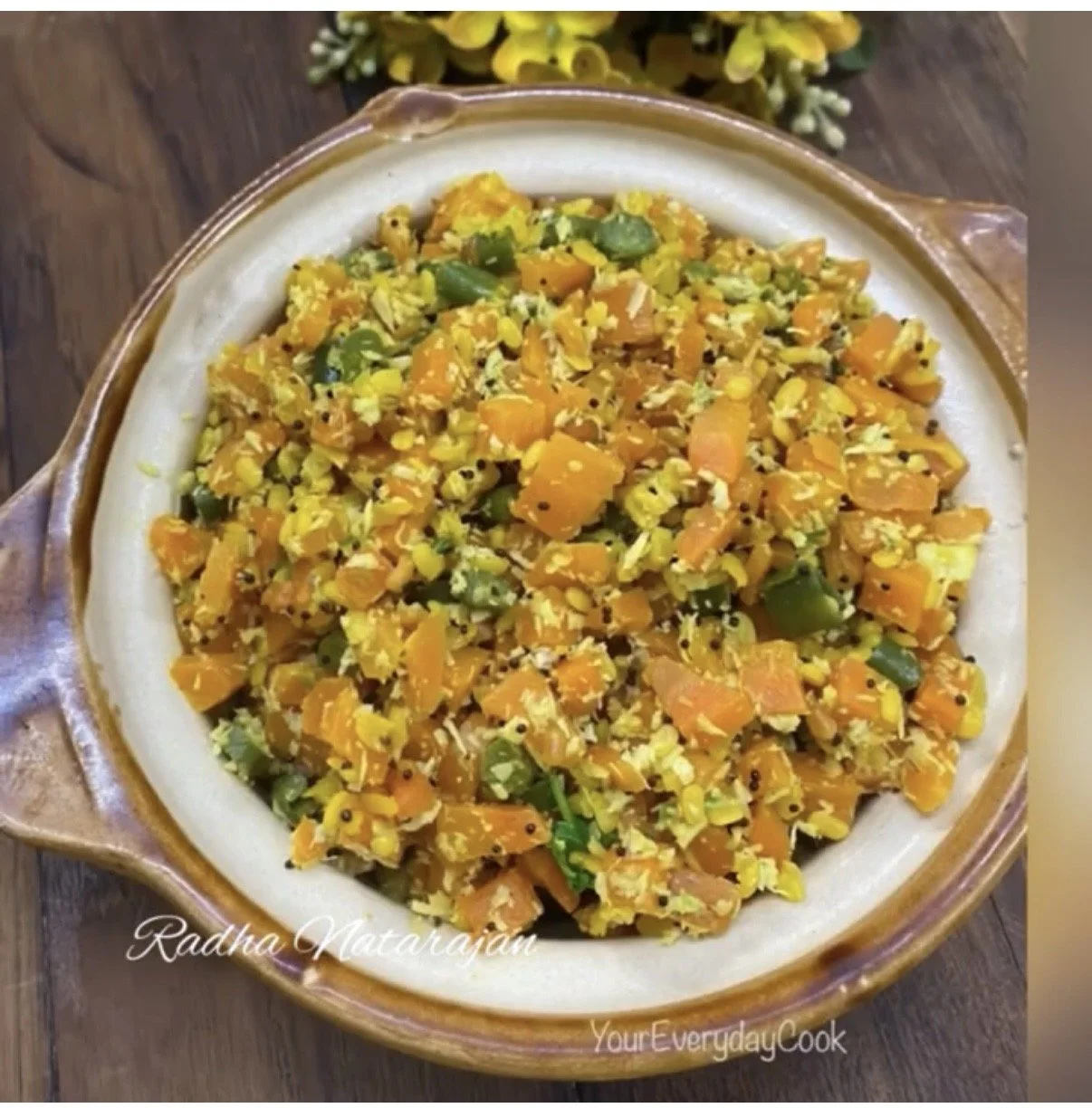
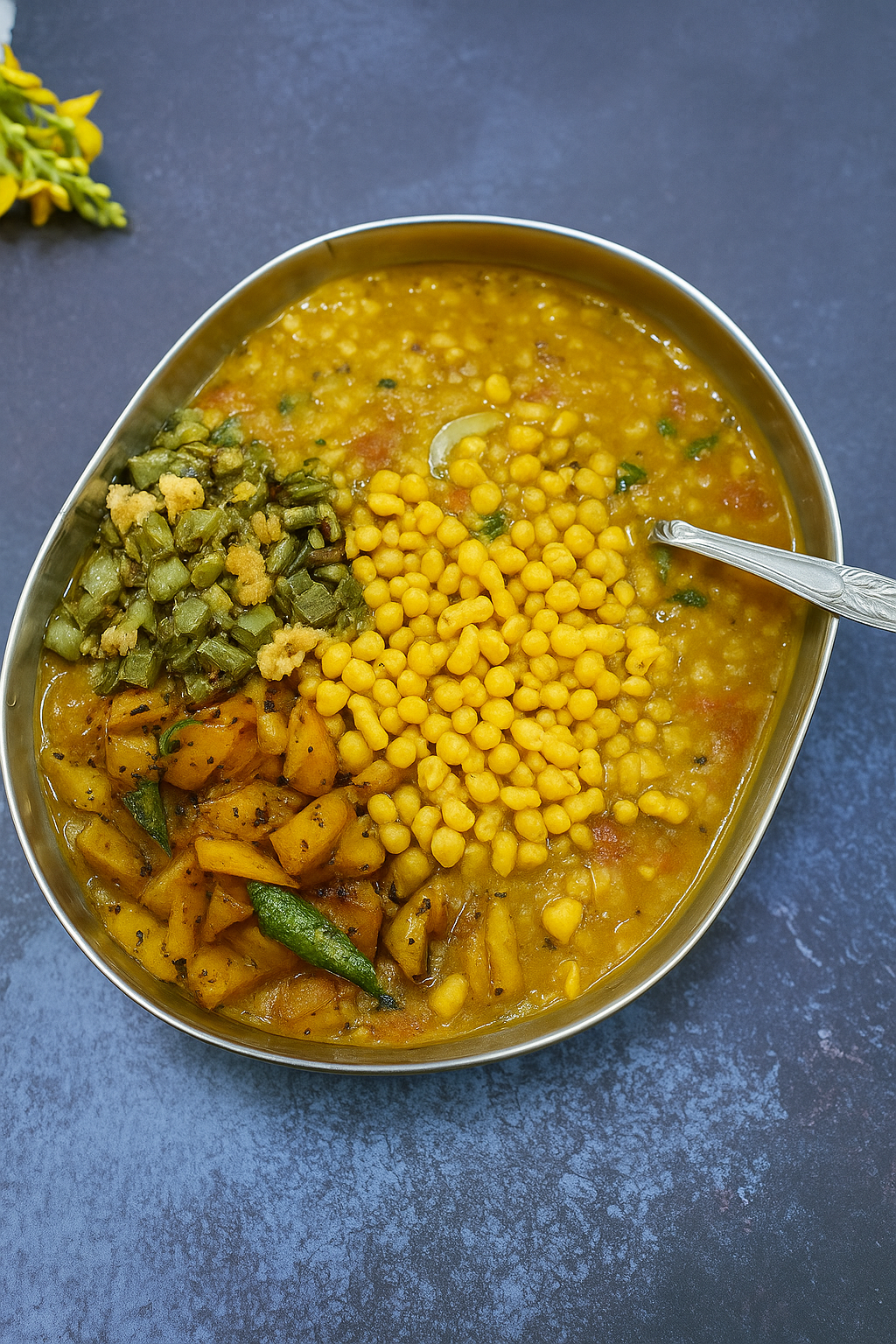
Thiruvadirai kootu
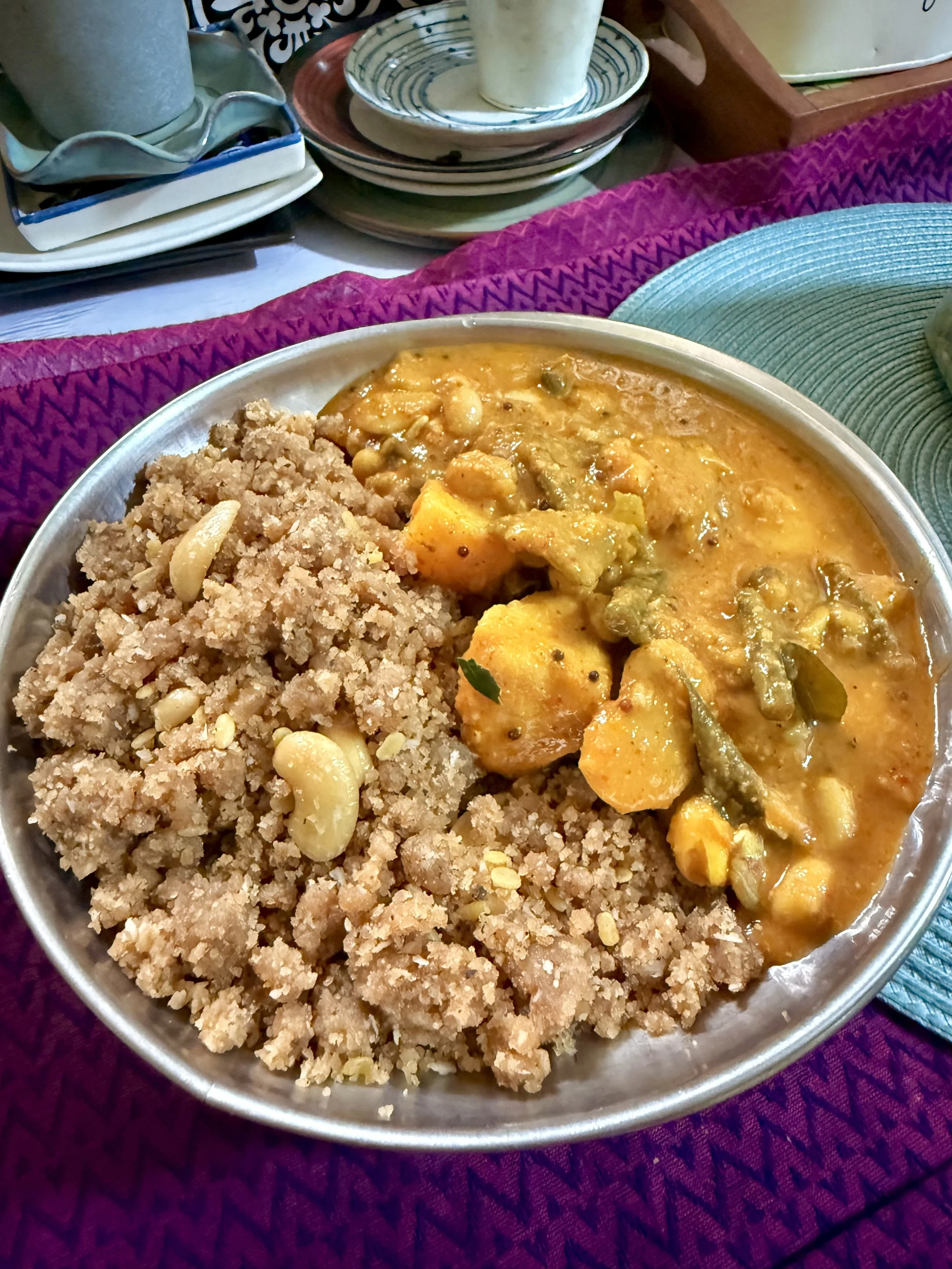
Thiruvadirai kali kootu
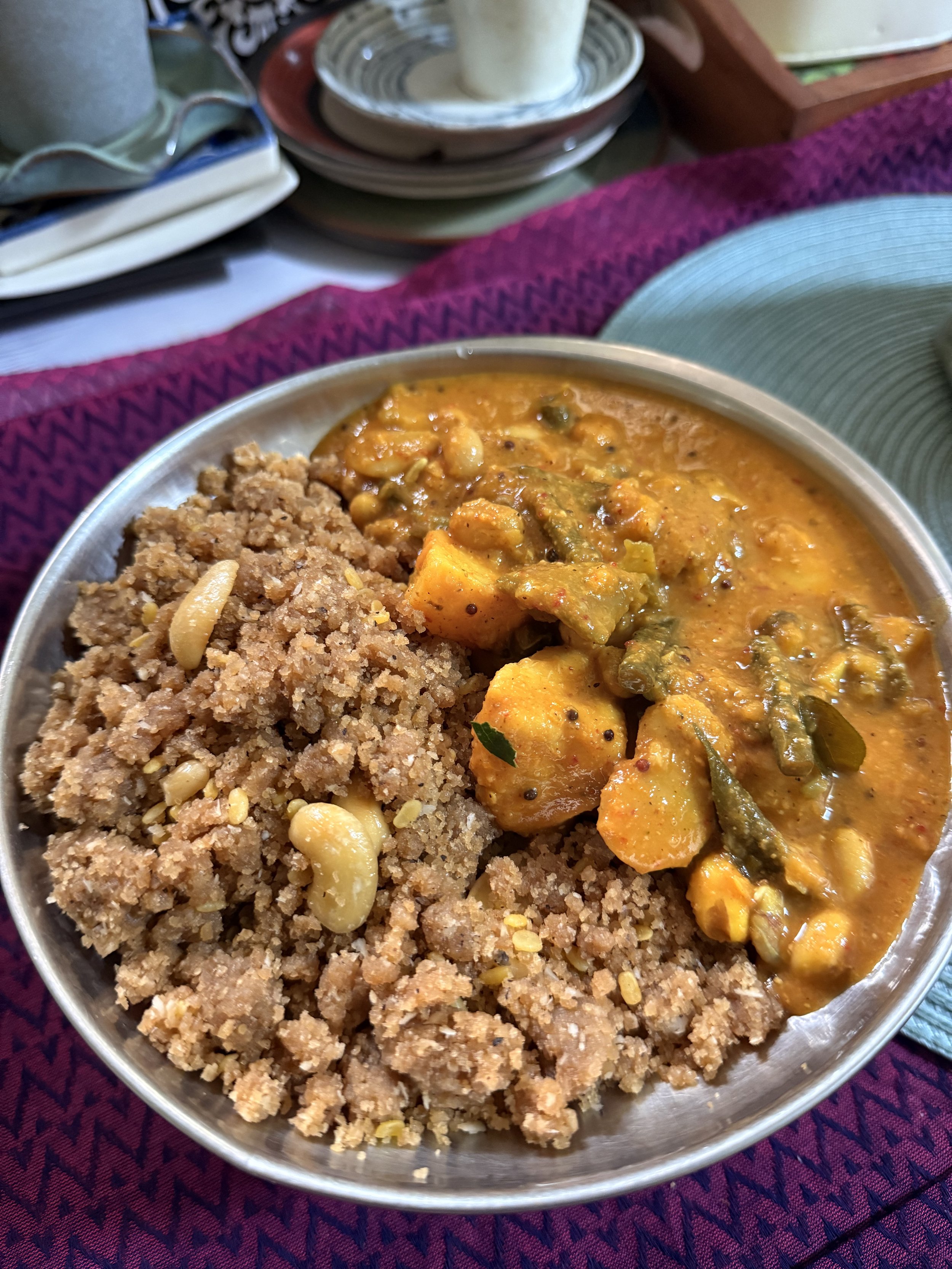
Thiruvadirai kali kootu
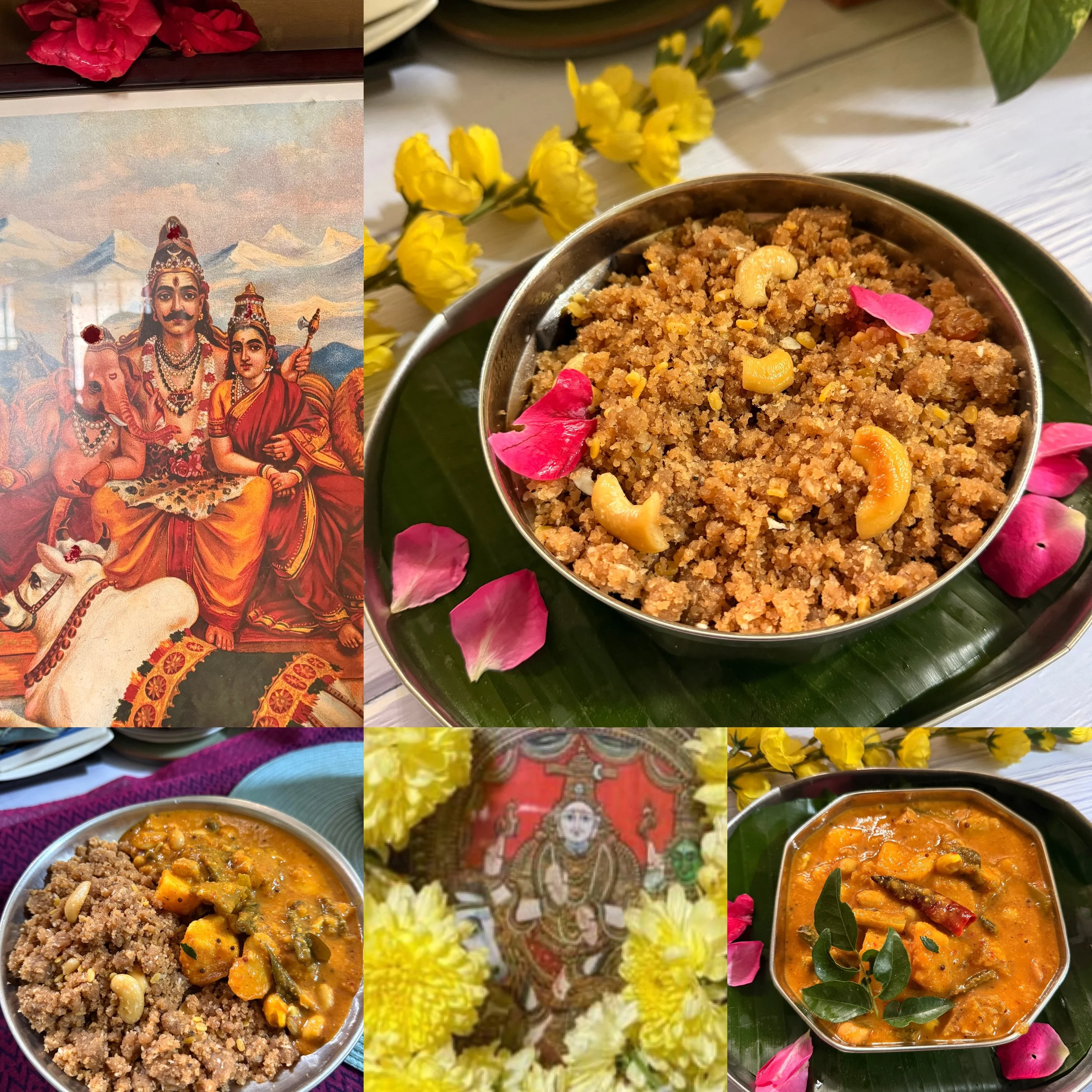
Thiruvadirai kali kootu
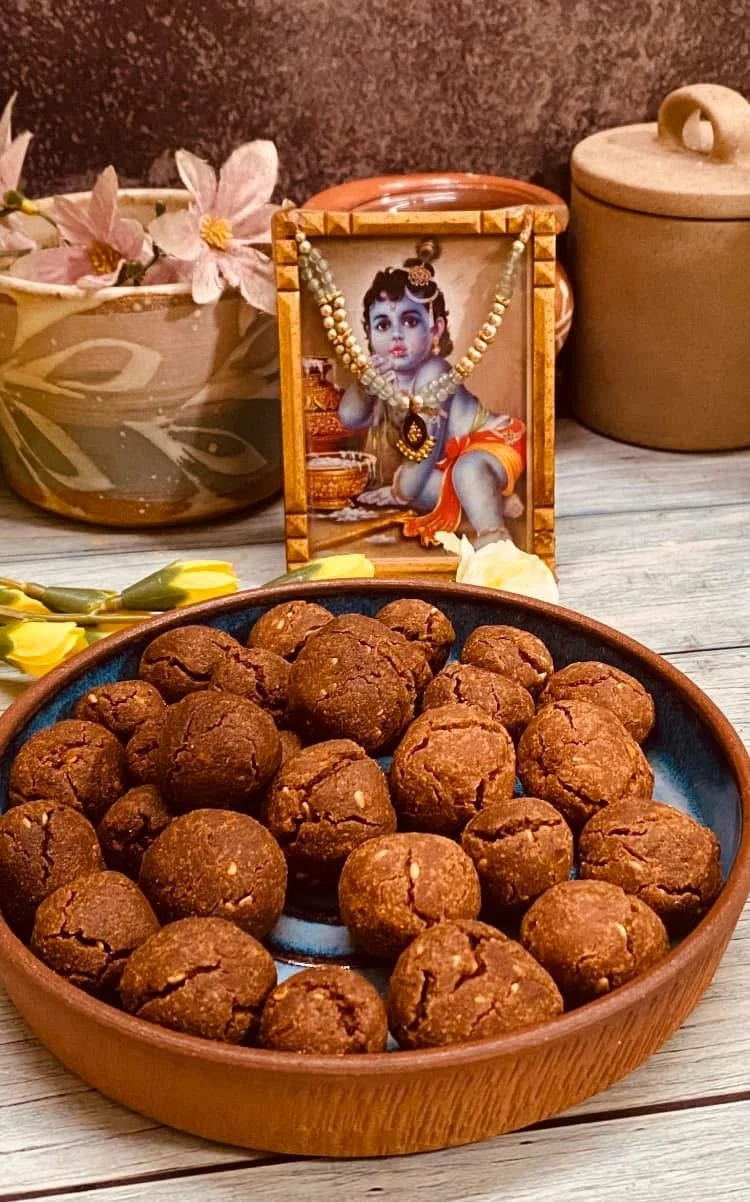
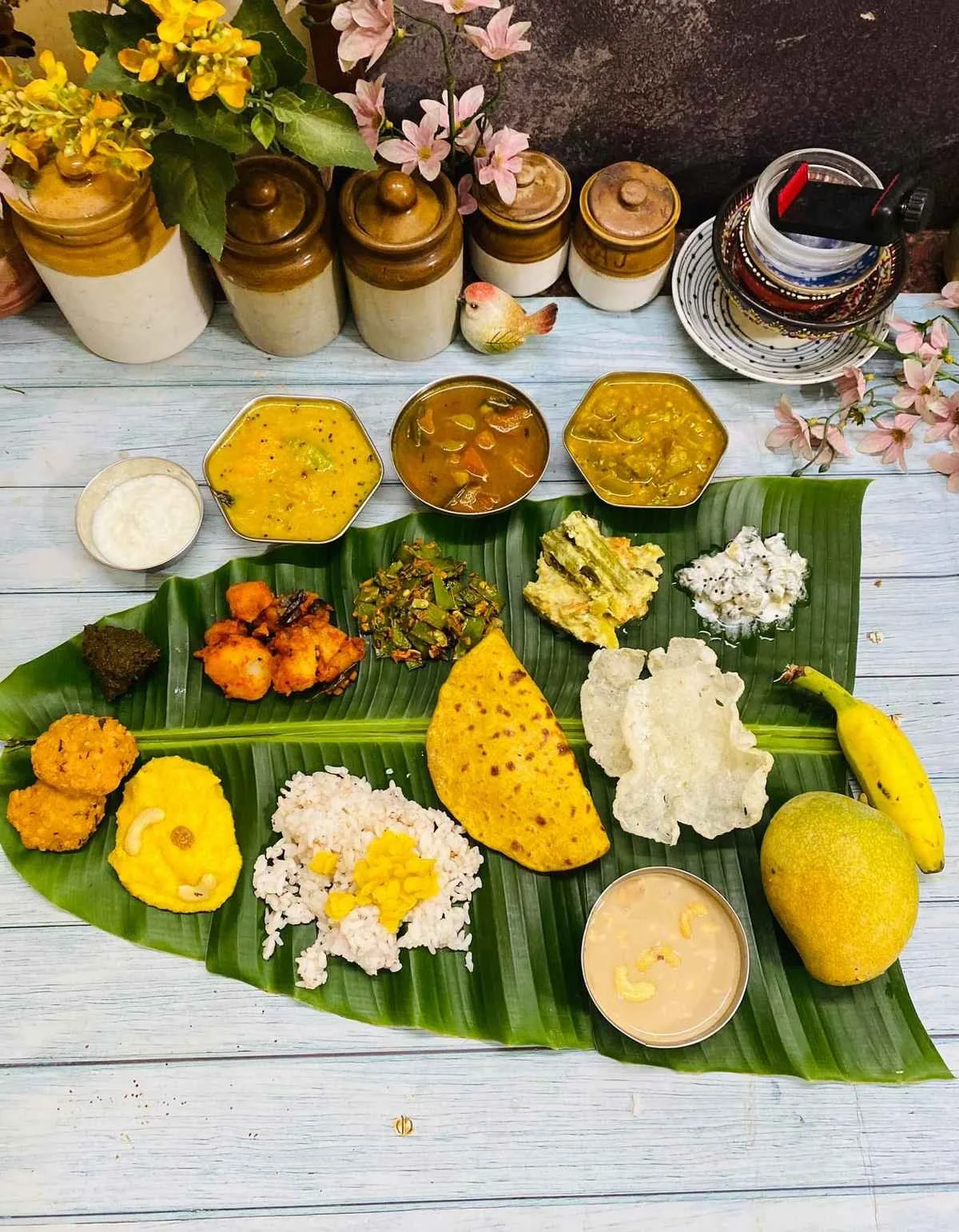




Celebrate Krishna Jayanthi with 25 traditional Gokulashtami recipes — crunchy Uppu Cheedai, sweet Vella Cheedai, ribbon pakoda, aval delights and more. Grab the free downloadable recipe booklet inside!