Aam panna
Aam Panna is a traditional Indian drink that's particularly popular in the northern and western parts of India during the hot summer months. This refreshing beverage is made from raw, green mangoes, sugar or jaggery, and an assortment of spices like cumin, fennel, pepper, and black salt. The green mangoes are boiled or roasted until soft, then the pulp is extracted and mixed with water, sweeteners, and spices. It's known for its tangy and sweet taste, which not only quenches thirst but also provides relief from the intense summer heat.
Aam Panna is celebrated for its health benefits as well. It's rich in vitamins C and B, and it contains various antioxidants and minerals. This makes it excellent for boosting the immune system, fighting off infections, and preventing heatstroke. The drink's unique flavor profile—a mix of sour, sweet, and savory notes—makes it a delightful and popular choice for cooling down and rejuvenating during the scorching summer days.
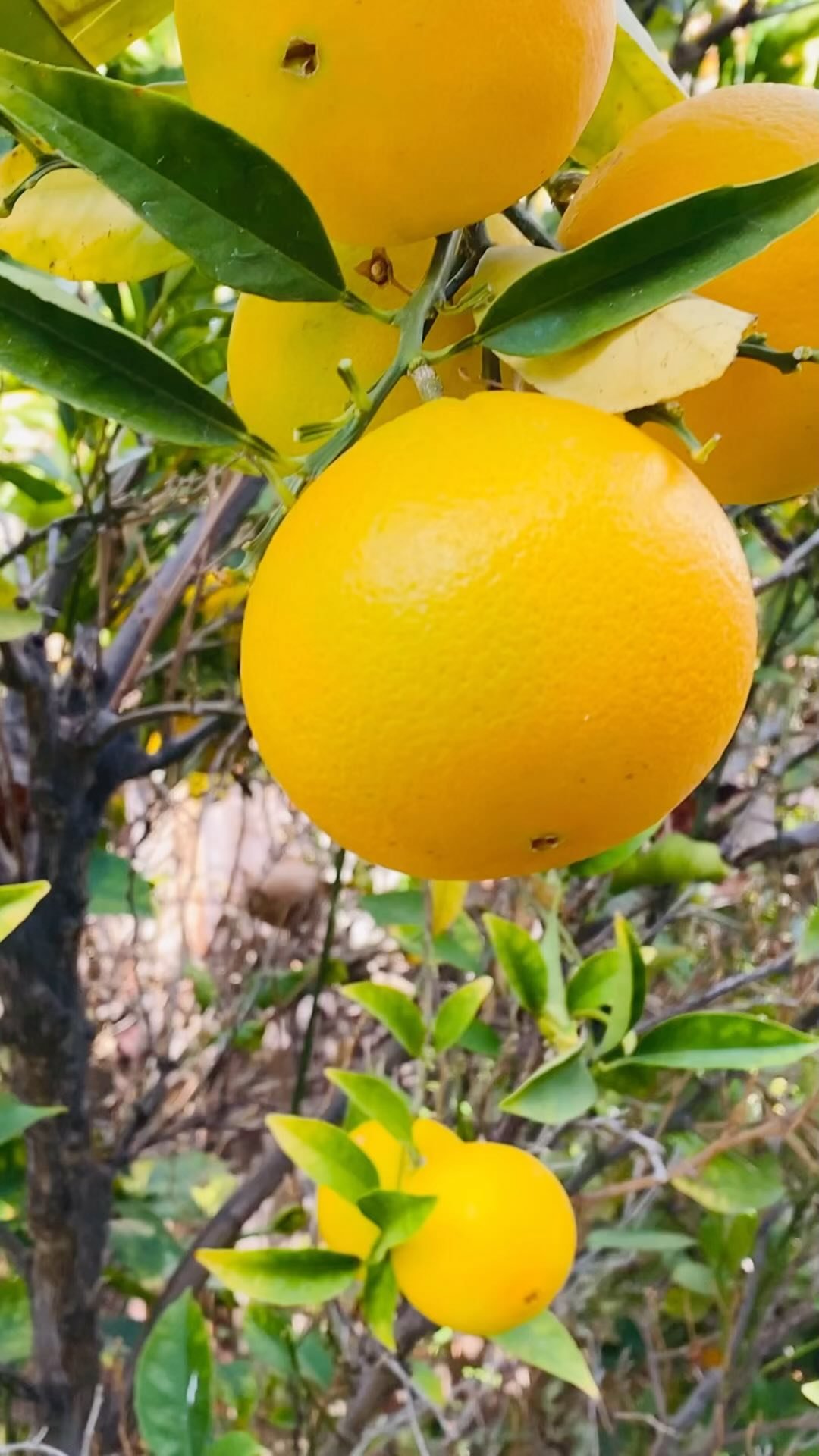
With the arrival of summer, there's a natural shift in our cravings towards an array of refreshing beverages and cold treats like juices, shakes, thandai, jaljeera, lassi, and various kinds of chilled desserts. The season also marks the arrival of mangoes in abundance, flooding the markets with their first batches of green mangoes.
Those lucky enough to have neighbors with mango trees nearby often find themselves tempted to taste these early fruits. The desire to reach out and eagerly pluck some of these green mangoes is hard to resist.
Aam Panna, a traditional mango drink, stands out as one of the earliest mango-based refreshments enjoyed widely across the nation. It's cherished for its invigorating properties and the perfect blend of raw, tangy, and sweet flavors.
Aam panna
Preparation:
Ingredients:
3 small raw green mangoes ( no of mangoes is approximate according to one's need)
2 tsp of roasted cumin powder1/2 tsp of coarse salt or kala namak
1/2 tsp of white pepper powder
2 tbsp of sugar or powdered jaggery
Method
Wash and clean the raw mangoes
Cut them into three or four parts after removing the seed.
Boil them in sufficient water to cook them till soft.
Once they become translucent ,keep them to cool.
You can mash them as the mangoes would be very soft and you can separate the skin.
Strain the thin liquid and add the above ingredients.Mix well and keep in refrigerator to be chilled.
Can be stored in bottles in refrigerator for two days as it is of watery consistency.
Aam panna
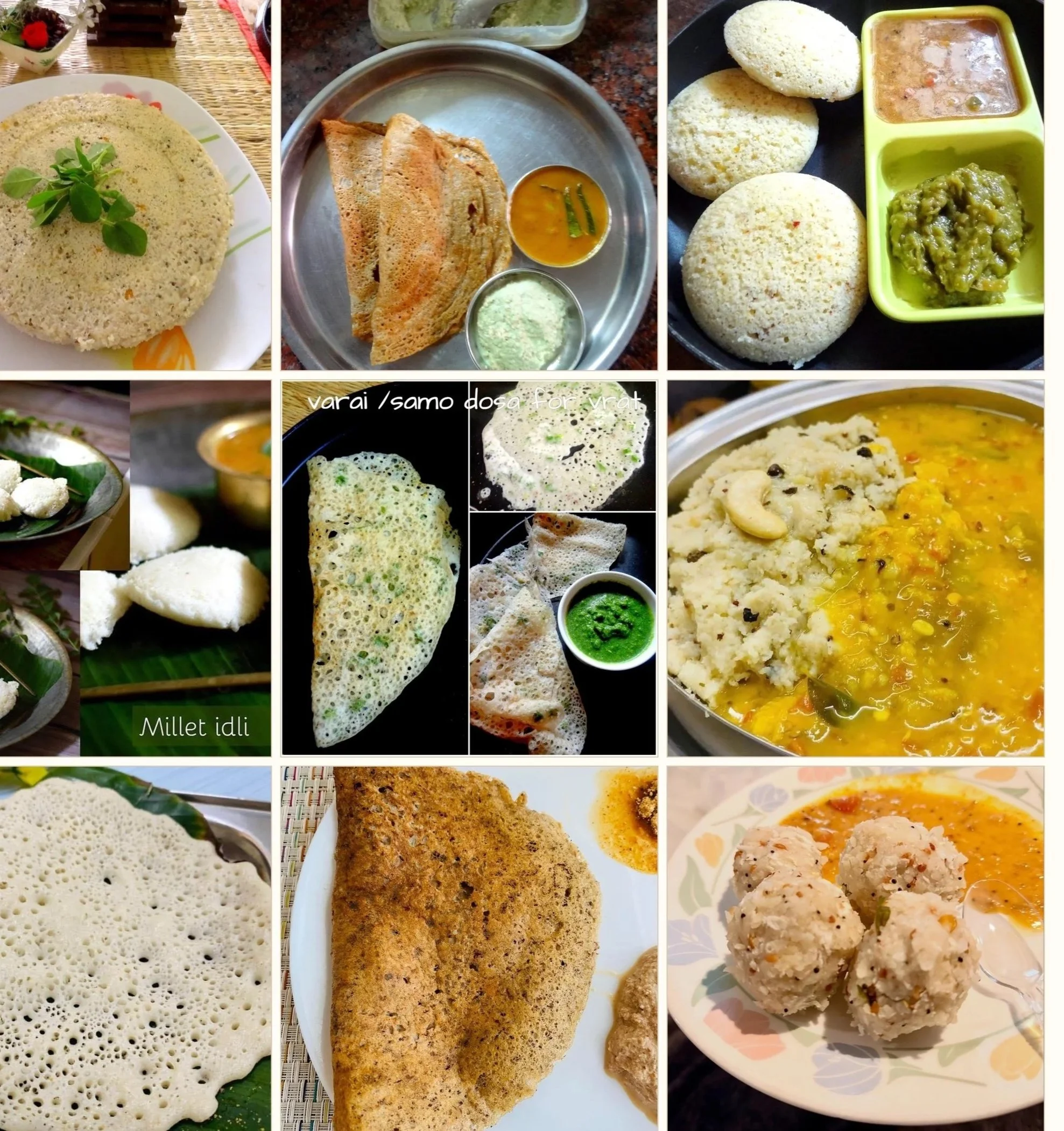
Mahalaya Palagaram made simple and light - from kollu dosai to barnyard millet ghee dosa, karuppu ulundhu adai and sweet red rice poha puttu. Wholesome tiffins made with love for the festive season.
A wholesome twist on your everyday dosa — barley dosa is crispy, fiber-rich, and easy to make at home. Here's how.
Khaali dosey is a South Indian classic — thin, crisp, and full of natural pores from batter that spreads on its own on a hot tava. This post shares two ways to make it: a convenient dry-flour method and the traditional wet-ground version, so you can pick whichever fits your kitchen.
Five variety rice recipes I make on repeat for lunch boxes — from vibrant Beetroot Rice to temple-style Puliyogare — with my notes on what freezes well, what to eat fresh, and how to pack each one so it stays good till lunchtime.
Ganesh Chaturthi festive lunch thali on banana leaf with rice, sambar, rasam, poriyal, vada, payasam and kozhukkattai
Ganesh chaturthi is an important Hindu festival celeberated with great fervour all over India . Many sweets and snacks are prepred as offering in Neivediyam , one such is the popular karchikai/somas or karanji as it is called in many states .
Uppu kozhakkai or salt kozhakkat / ulundh kozhakkatai for Ganesh chaturthi prepared inn an easy manner .
Modaka or modakam is an important neivediyam offered to Lord Ganesha on Ganesh Chaturthi. Leran how to prepare the same with many helpful tips for beginners
There are at least three ways you can prepare the kozhakkatai maavu . learn how to do it very easily .
Aval Paal Kozhukattai - Soft and smooth poha balls in creamy coconut milk and jaggery. A easy prasadam that melts in mouth.
Celebrate Krishna Jayanthi with 25 traditional Gokulashtami recipes — crunchy Uppu Cheedai, sweet Vella Cheedai, ribbon pakoda, aval delights and more. Grab the free downloadable recipe booklet inside!
Crispy, golden-brown Vella Cheedai — a traditional South Indian jaggery sweet made especially for Krishna Jayanthi (Gokulashtami).
A free 49-recipe collection for Avani Avittam — traditional South Indian festival dishes from payasam to vadai, ready to download and cook.
Onam Recipes 🌿🥥
Celebrate the flavors of Kerala with a delicious collection of traditional Onam recipes—from comforting curries and creamy payasams to festive Sadya favorites. Simple, authentic, and made with love, these recipes bring the taste of Kerala straight to your table.
Five batters, five regions, one griddle. From chickpea-millet to Mulbagal and Khaali Dosay, a tasting trail of 5 dosa varieties that never make it to restaurant menus — crispy, fermented and straight from my kitchen diary.
Build your own Aadi Ammavasai thaali — pure satvik, no onion no garlic, served with love on vazhai ilai to honor our ancestors.
A humble yet essential part of the Kerala Sadya, Paruppu Thoran brings together the goodness of lentils, fresh coconut, and gentle spices in one comforting dish.
A simple Kerala Sadya classic made with fresh achinga payar, coconut oil, and spices. A homestyle vegetable dish that pairs perfectly with rice and curries.
A simple Kerala Sadya favorite made with tender chena, coconut oil, spices, and curry leaves, roasted until lightly crisp and full of flavor.


A nostalgic, basic Tamil Paruppu Podi recipe from my mother’s handwritten notes from 1995. Just 4 ingredients — toor dal, pepper, red chilli and salt. My go-to comfort meal with hot rice and ghee.