

Aadi Ammavasai falls on 12 August 2026
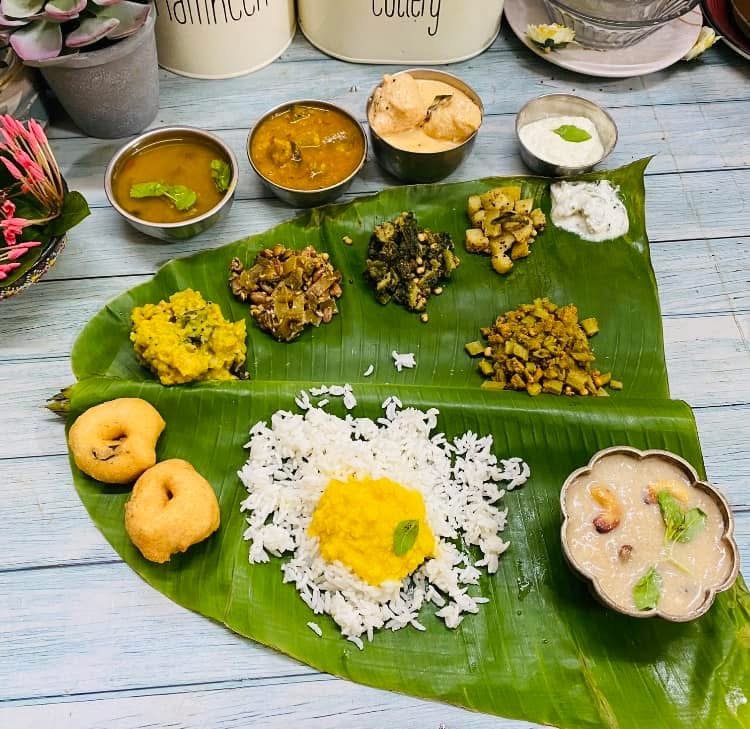

aadi ammavasai

source google images
During the Tamil month of Aadi, just as every Friday (Velli Kizahamai) is considered to be auspicious and ideal for worshiping Hindu Goddesses, especially the various incarnations of Shakti, . Similarly Aadi Ammavasai is equally important to perform oblations to our forefathers by the male successors .
Aadi Amavasya is the new Moon Day that falls in the Tamil month of Aadi (July – August).
Aadi Amavasai is one of the three most powerful days to offer the
Tarpanam to honor ones ancestors and receive their blessings.
It is believed that in Aadi Amavasai, spirits are eager and more than willing to accept our offerings to them and the souls are satisfied are when their successors perform tarpanam rituals for them.
Also every year in the month of Aadi, the sun moves to the south,
which is called ‘Dakshinayanam’.
Since this is the first day of the New Moon of the period, it is considered the most powerful day to perform tarpanam rituals to their ancestors.
It is considered ideal to perform the ritual on natural water bodies by taking a dip in sacred water sources. It is believed that it helps cleanse oneself of impurities before starting the Tarpanam Puja. Devotees also gather at the Agni Theertham in Rameshwaram on this sacred day.
Our Epics Mahabharata says that every human soul owes the Trinity Lords – Brahma, Vishnu and Shiva – three major debts. One of them is ‘Pitru Rin’ (the debt to ancestors). This is owed to Lord Brahma and it is cleared by performing Tarpanam rituals for ancestors.
Amavasai day is considered an auspicious for the worship of forefathers and made pujas for them.
On Amavasyas, Shraadh Puja is done to forefathers by sons.
Rituals on Aadi Amavasai:
Usually the shradh rituals are performed near river banks or pond , sea , near water sources if possible to obtain the blessings of their ancestors. It is considered auspicious and mandatory to take a dip in the waters in natural sources before the commencement of the shradh rituals .
Agni Theertham in Rameshwaram, South India, is considered very important for the purpose of performing rituals to forefathers . similarly sacred places like Thriveni Sangamam at Kanyakumari and the ghats at varanasi are considered holy for performing such rituals .
Usually on the shradh day rituals are performed with a single meal and fast for the remaining day, some choose to fast whole day .
According to Garuda Purana, offering your ancestors (sesame seeds)
and water in this day pleases them and ensures longevity, success, debt relief, destruction of enemies and offspring.
The deities for pitrus are Vasu, Rudra and Aditya and invoking them by chanting mantras so that food reaches the ancestors. The deities transport the food called ‘swadha’ to pitrus which is accepted with great satisfaction .
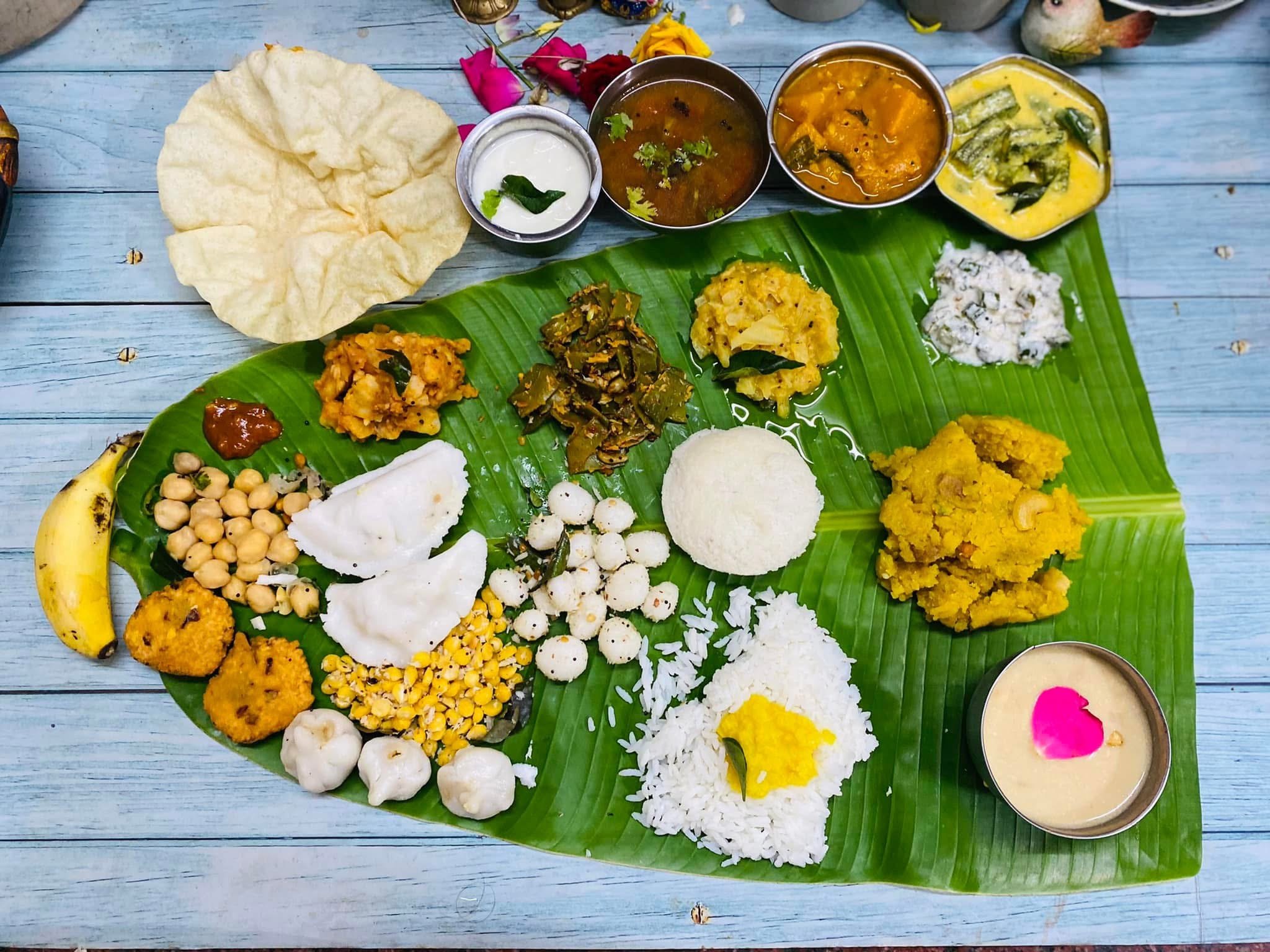
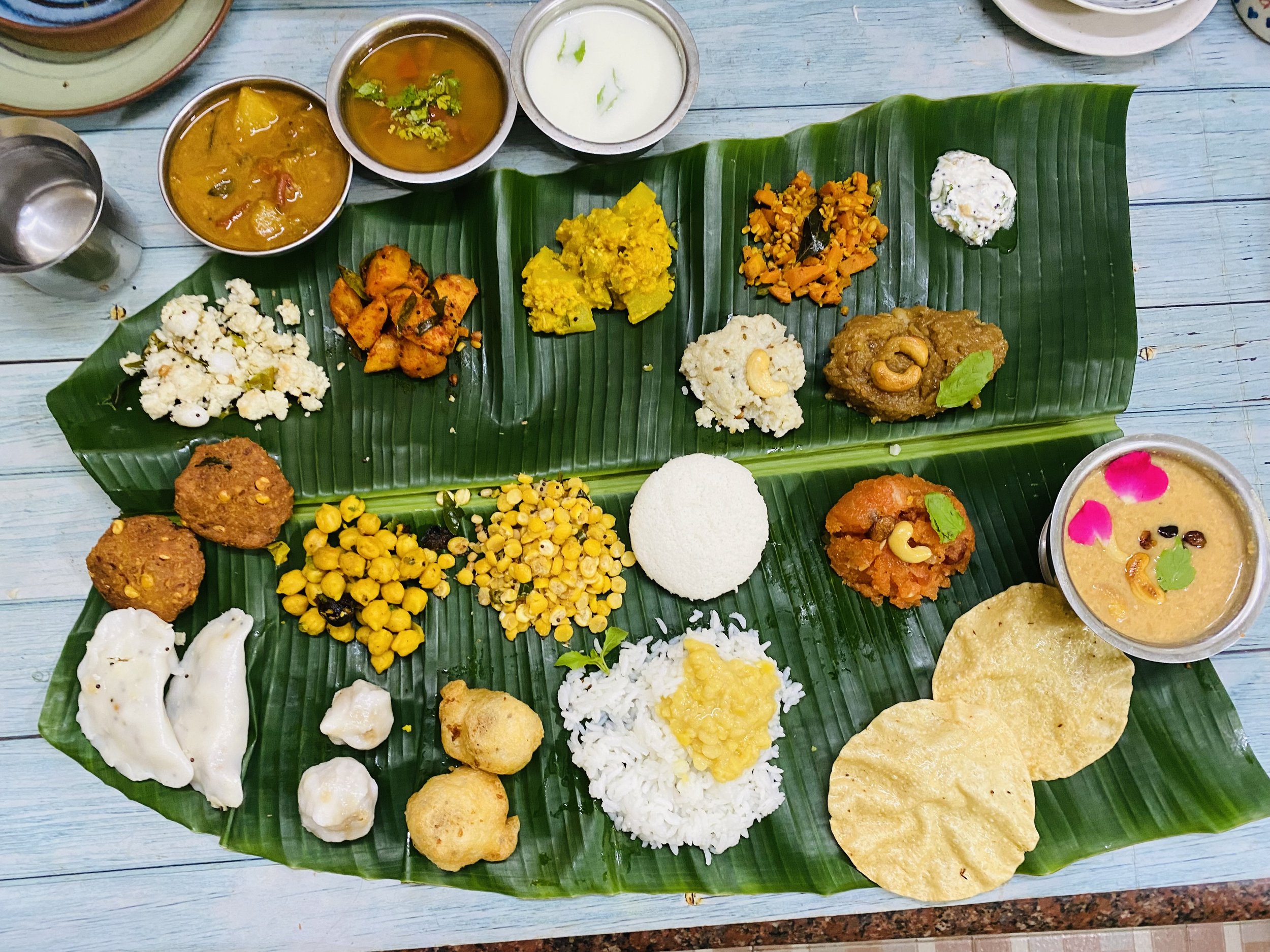
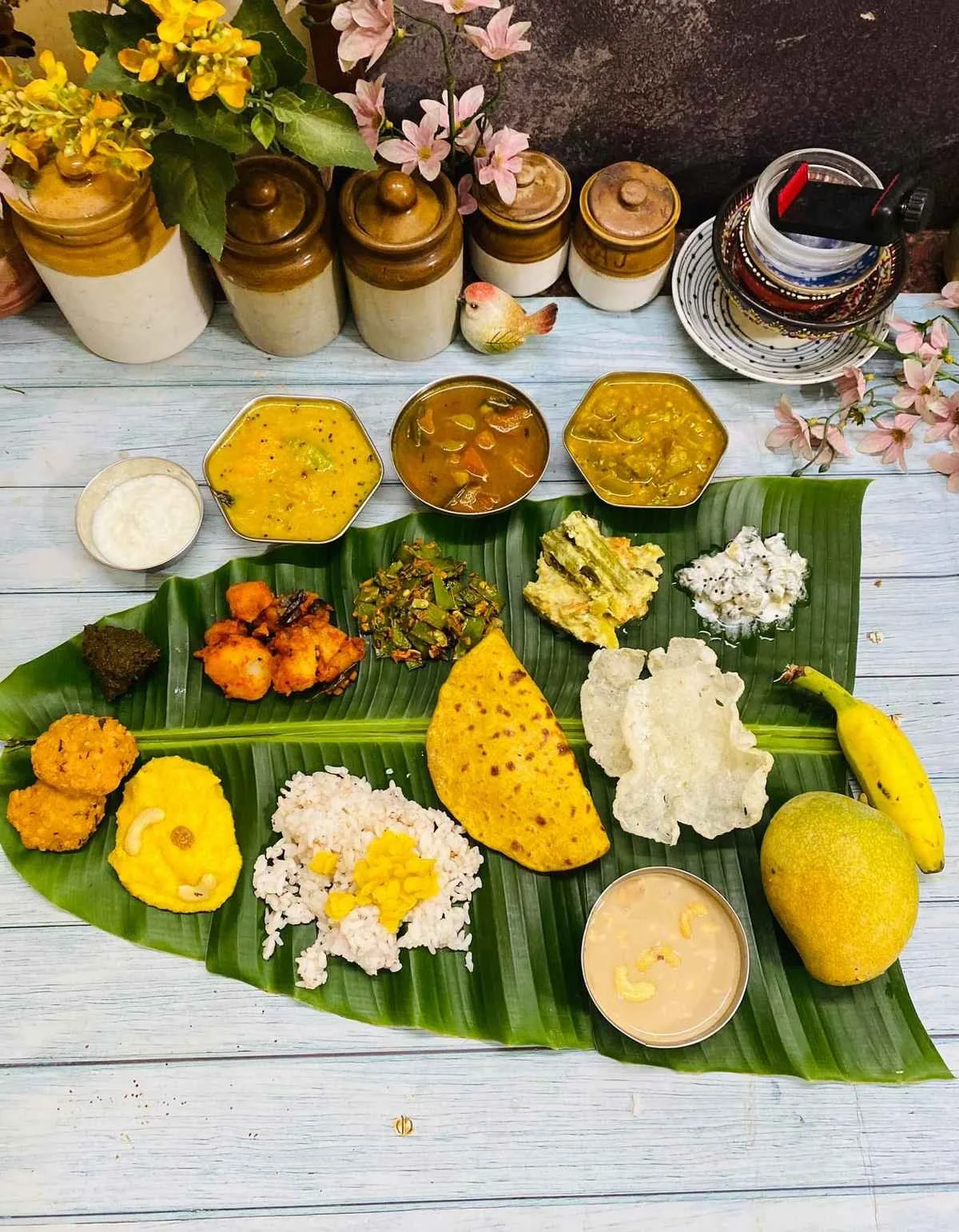
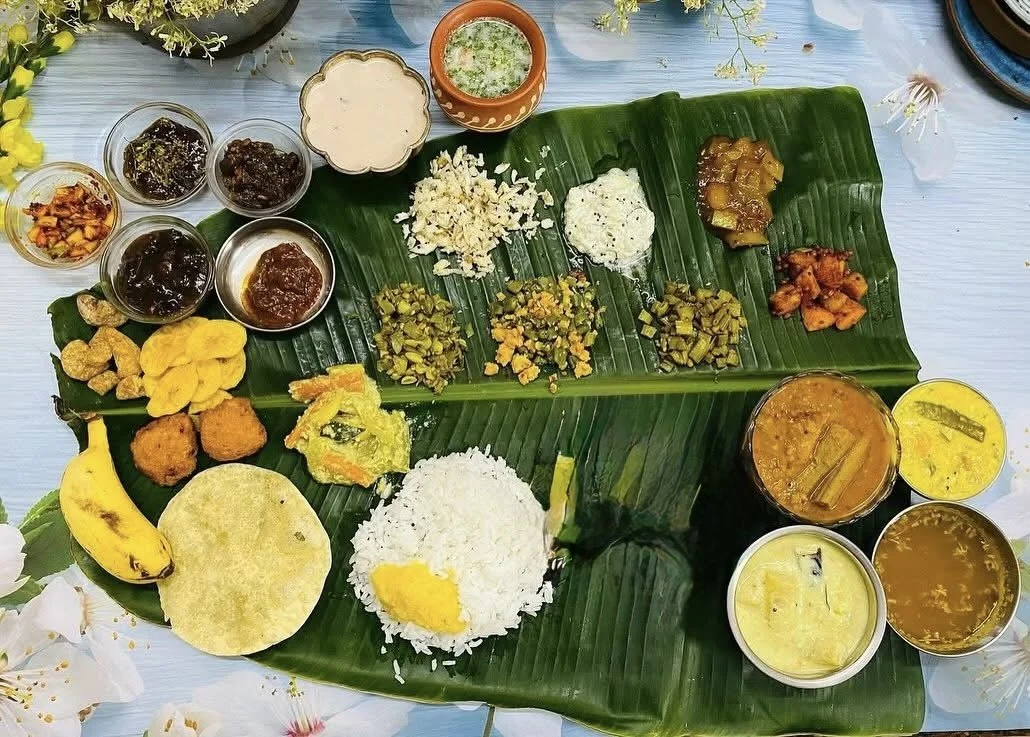
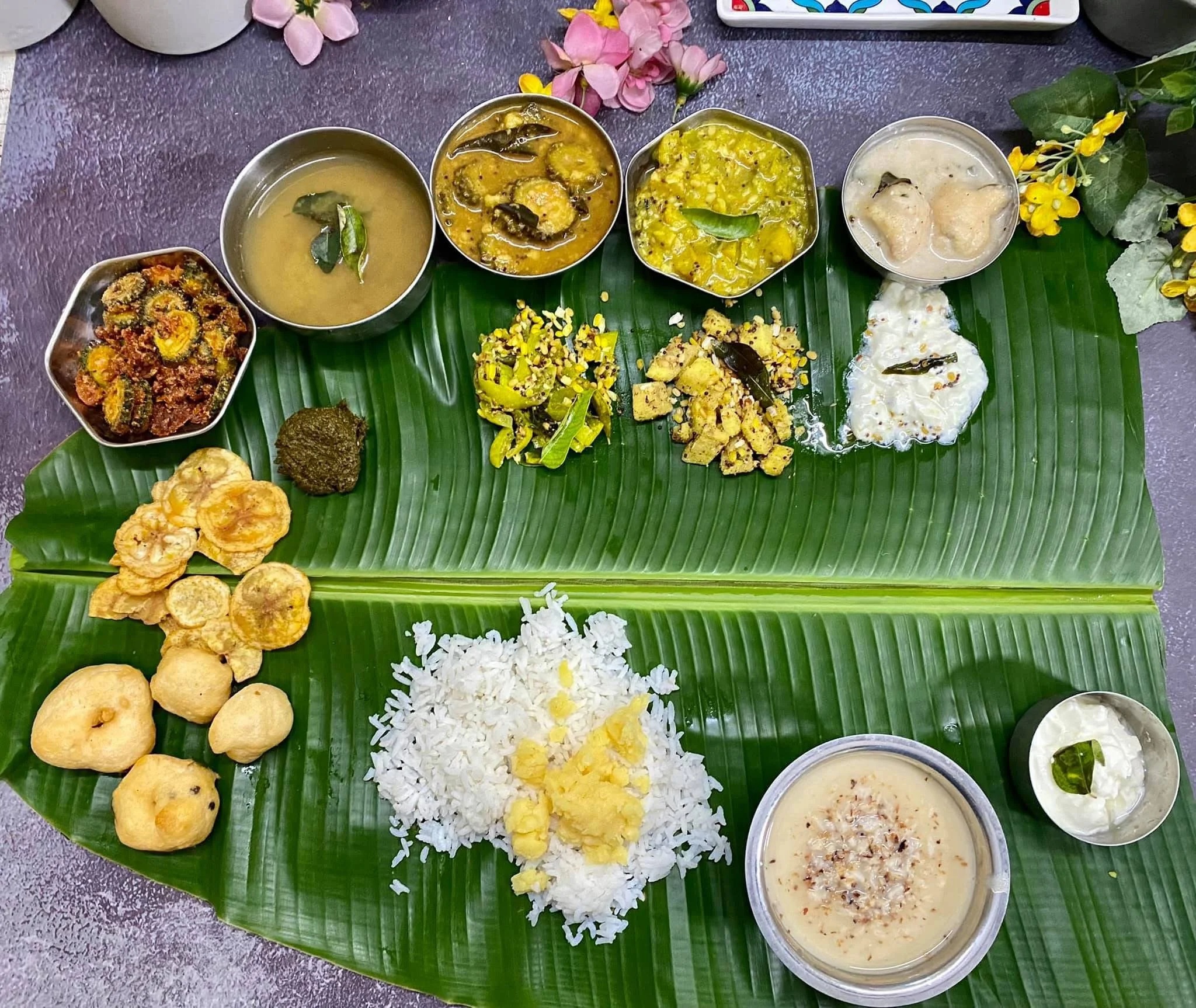
Foods cooked for Aadi Ammavasai
All foods to be cooked with no onion and garlic using only country vegetables .
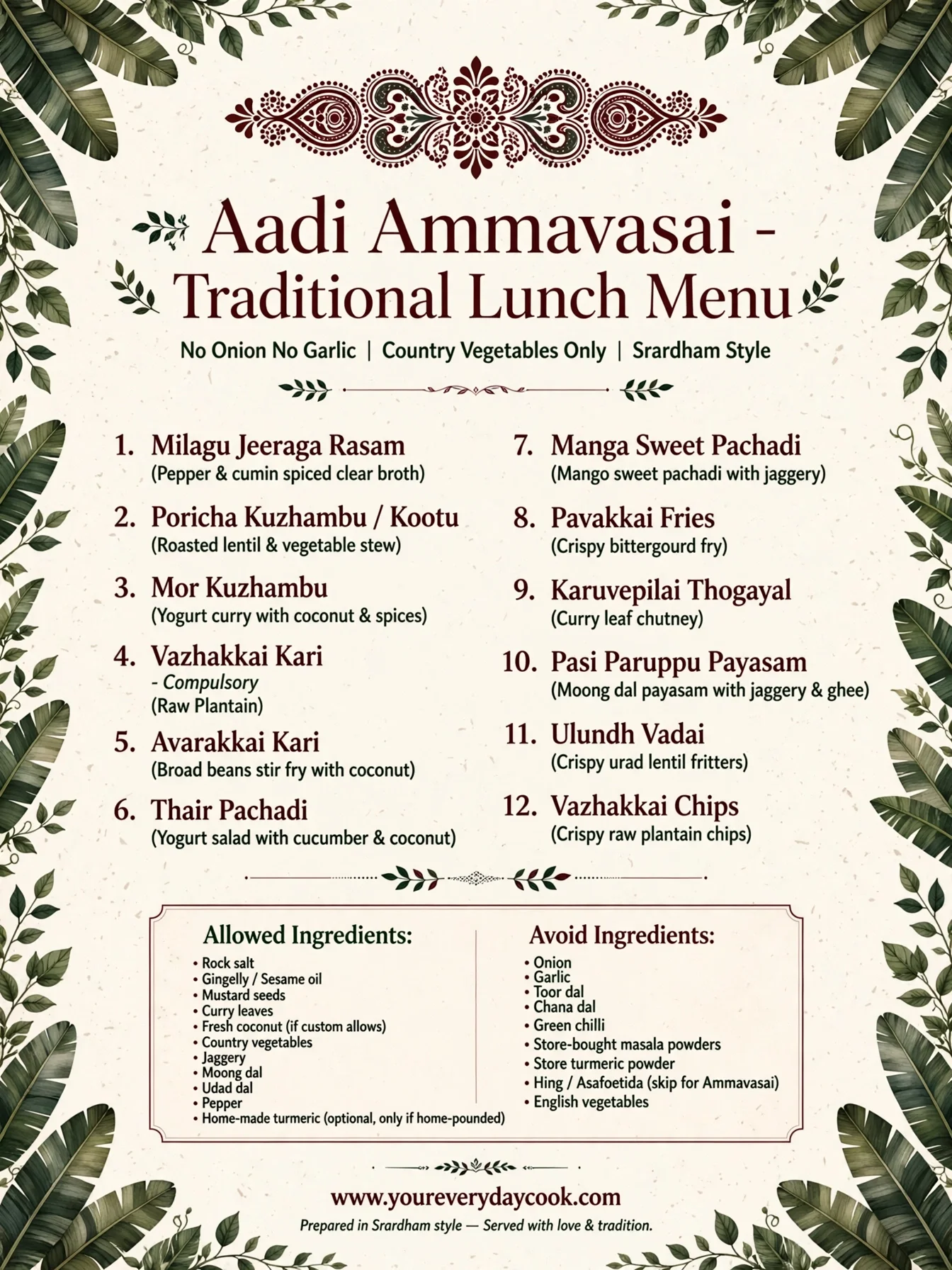

Aadi ammavasai
Kindly note ammavasai samayal is usually like that of a srardham so only country vegetables are used also certain ingredients like chana dal, toor dal , green chilies , asafoetida are not used , instead moong dal , udad dal , specailly ground curry podi is used to garnish vegetables . How ever all dishes can be prepared according to ones family customs .
Rasam podi , sambar podi is also freshly ground for cooking .
Please check this post for more details about ingredients not allowed for srardham, ammavasai and Mahalaya / pitru paksha month . you can choose few dishes from the list and prepare accordingly .Read more about Mahalaya/ Pitru paksha here
Having said this, once again it is upto ones family customs so do consult with your elders and cook accordingly .
Important Note:
All 12 recipes below are written specifically for Aadi Ammavasai / Srardham style - No onion, no garlic, no toor dal, no chana dal, no green chilli, no store powders, no hing, no store turmeric. Use only moong dal, udad dal, pepper, jeera, rock salt, jaggery, ghee, country vegetables. Please follow your family custom.
Base Podi - Karima Podi (Make first, use for all curries)
Ingredients: 1/3 cup udad dal, 1 tbsp pepper, 1 tbsp jeera, 1 tbsp raw rice, few curry leaves.
Method: Dry roast till golden and fragrant, cool, powder fine. If your custom allows coconut, roast 2 tbsp coconut separately and powder. Store.
Recipes. :
1. Milagu Jeeraga Rasam
Ingredients: Moong dal water (water after cooking 2 tbsp moong dal), tamarind small gooseberry size, 1 tsp pepper, 1 tsp jeera, 1 tsp Karima Podi, gooseberry juice or lemon, curry leaves, ghee, mustard, rock salt.
Method: Soak tamarind. Crush pepper-jeera coarsely. Boil tamarind water with salt, curry leaves, crushed pepper-jeera and Karima Podi. Add moong dal water, boil 2 mins. Switch off, add gooseberry juice, temper mustard+curry leaves in ghee.
2. Poricha Kuzhambu / Kootu (Avarakkai or Podalangai)
Ingredients: 1 cup chopped avarakkai, 1/4 cup moong dal, 2 tbsp Karima Podi, 2 tbsp coconut (if allowed), salt, ghee, mustard, curry leaves.
Method: Cook dal, keep. Grind coconut + Karima Podi with little water. Cook vegetable with salt and little water. Add dal, ground paste, simmer. Temper.
3. Mor Kuzhambu
Ingredients: 1 cup thick curd, 1 cup chopped cucumber or vazhakkai, 2 tbsp coconut, 1 tsp jeera, 1 tsp raw rice soaked, little ginger, 1/4 cup moong dal water, salt, mustard, curry leaves, ghee.
Method: Cook veg. Grind coconut+jeera+rice+ginger. Whisk curd, add paste, moong water, salt, veg, heat on low - should not boil. Temper.
4. Vazhakkai Kari (Raw Plantain) - COMPULSORY
Ingredients: 2 vazhakkai, 2 tbsp moong dal, 2 tbsp Karima Podi, 2 tbsp coconut (optional), salt, ghee, mustard, curry leaves.
Method: Peel, cube vazhakkai, soak in water. Cook dal. Cook vazhakkai with salt and little water till soft. Add dal, Karima Podi, coconut, mix, temper.
5. Avarakkai Kari
Ingredients: 250g avarakkai chopped, 2 tbsp Karima Podi, 1 tbsp moong dal, coconut optional, salt, tempering.
Method: Cook avarakkai with little water, salt, 1 whistle. Add cooked moong dal, podi, coconut, saute 2 mins, temper.
6. Thair Pachadi
Ingredients: 1 cup grated cucumber, 1 cup thick curd, salt, mustard, curry leaves, ghee.
Method: Squeeze cucumber water out. Mix with curd, salt. Temper mustard+curry leaves in ghee and add. No green chilli.
7. Manga Sweet Pachadi (Optional)
Ingredients: 1 raw mango chopped, 3 tbsp jaggery, pinch salt, 1/2 tsp rice flour in water, mustard, curry leaves, ghee.
Method: Cook mango with water and salt. Add jaggery syrup, thicken with rice flour water, temper.
8. Pavakkai Fries / Pitlai
For Fries: Slice pavakkai thin, salt, keep 10 mins, squeeze, fry in gingelly oil with little rice flour, Karima Podi. For Pitlai: Cook pavakkai and moong dal separately, add tamarind water, Karima Podi, jaggery, simmer, temper.
9. Karuvepilai Thogayal
Ingredients: 1 cup curry leaves, 2 tbsp udad dal, 1 tsp pepper, small tamarind, jaggery small piece, salt, coconut optional.
Method: Roast dal, pepper, curry leaves in little ghee. Grind with tamarind, jaggery, salt, coconut to thick chutney.
10. Pasi Paruppu Payasam
Ingredients: 1/2 cup moong dal, 3/4 cup jaggery, 2 cups water, 1 tbsp ghee, cardamom powder.
Method: Roast dal in ghee, cook soft with water. Melt jaggery with little water, filter, add to dal, simmer till thick, add cardamom, ghee. No milk if following strict custom, else add little milk.
11. Ulundh Vadai
Ingredients: 1 cup udad dal, 1 tsp pepper crushed, salt, curry leaves chopped.
Method: Soak dal 1.5 hrs, grind thick with little water, add salt, pepper, curry leaves. No green chilli, no hing. Make vadais, deep fry in oil.
12. Vazhakkai Chips
Thin slice vazhakkai, wash, dry, deep fry in gingelly oil, sprinkle rock salt.
End of Menu. Serve all with hot rice, ghee.
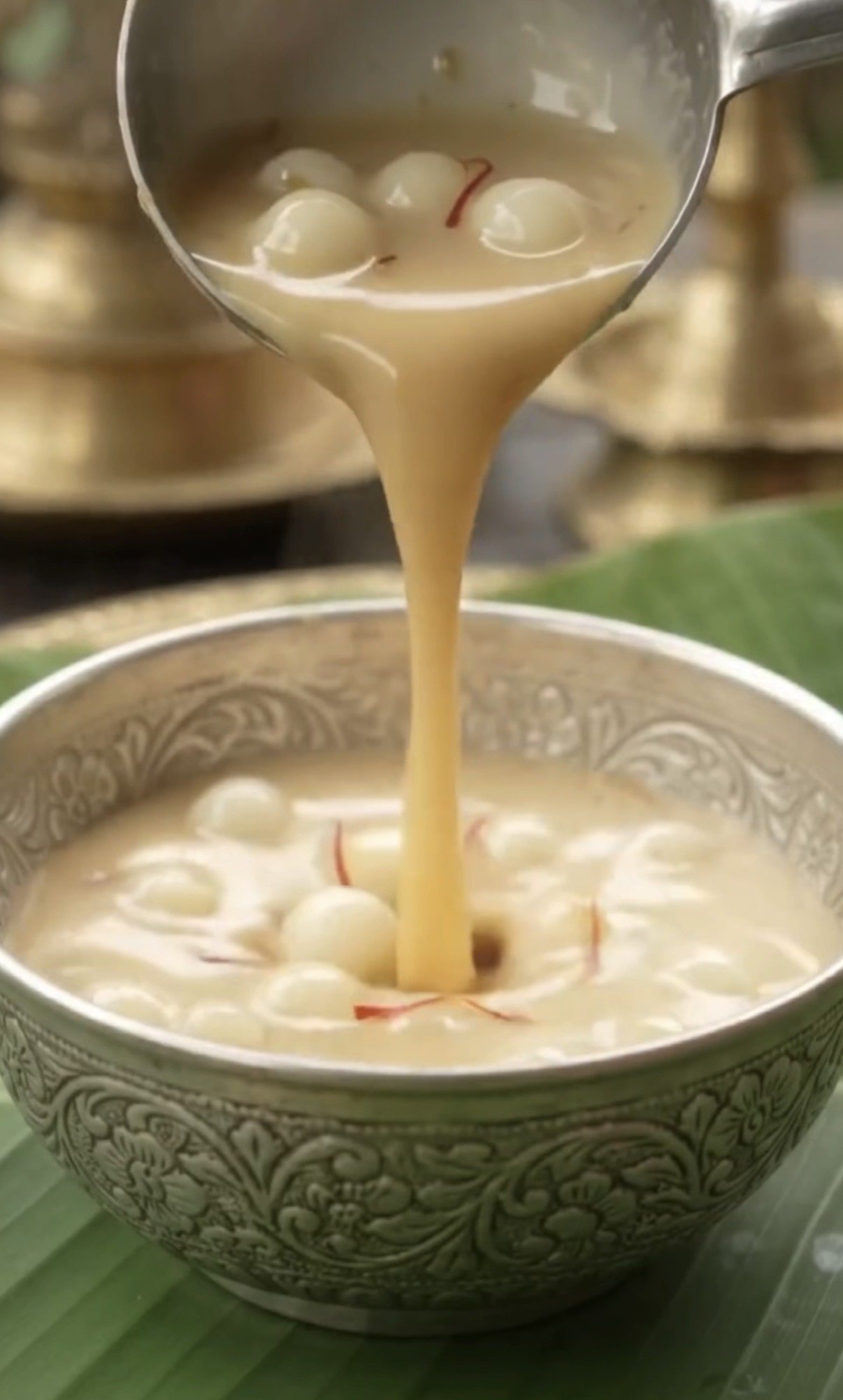
Coconut milk payasam / Thenga paal payasam

Ingredients :
2 cups freshly grated coconut , only the white parts to be scraped.
1 cup of jaggery
toasted cashew nuts and raisins to garnish.
pinch of edible camphor.
1/4 tsp cardamom powder
1 cup thick boiled cooled milk.
2 tsp rice flour
Method:
Take 2 heaped cups of freshly grated coconut and soak in little warm water for few minutes. Then grind in the mix to obtain thick coconut milk.Strain the thick white milk through a muslin cloth or a fine sieve and then again grind squeezed out Coconut gratings with little more hot water in the mixie.
Once again you will get a slightly thinner milk. Strain or sieve and add to the first milk.
Repeat the grinding once again to obtain a very thin coconut milk and add this to the previously obtained milk. In all you will be able to get good coconut milk by grinding three times. Discard the coconut waste gratings.
On the stove keep a heavy bottomed vessel and pour the thick coconut milk and allow to simmer on a very low flame. Meanwhile prepare the jaggery syrup by dissolving the jaggery with little water and straining the liquid of impurities and add this syrup to the simmering coconut milk. Add the thick cold milk also to give a more richer flavour to the sweetened milk.
Add the cardamom powder, edible camphor, toasted nuts and raisins and the rice flour which will thicken the milk.
When the sweetened coconut milk comes to a boil very gently, remove from gas . At no point should this boil over as it will split the milk.
Read about Avani Avittam and Hayagreeva Jayanthi in this blog . click on the red link .
Browse my Insta feed for more recipes . Follow me in Instagram for daily uploads
Follow my posts in Instagram for daily reels , vidoe s and food posts .









A nostalgic, basic Tamil Paruppu Podi recipe from my mother’s handwritten notes from 1995. Just 4 ingredients — toor dal, pepper, red chilli and salt. My go-to comfort meal with hot rice and ghee.