Bansi Rava Upma
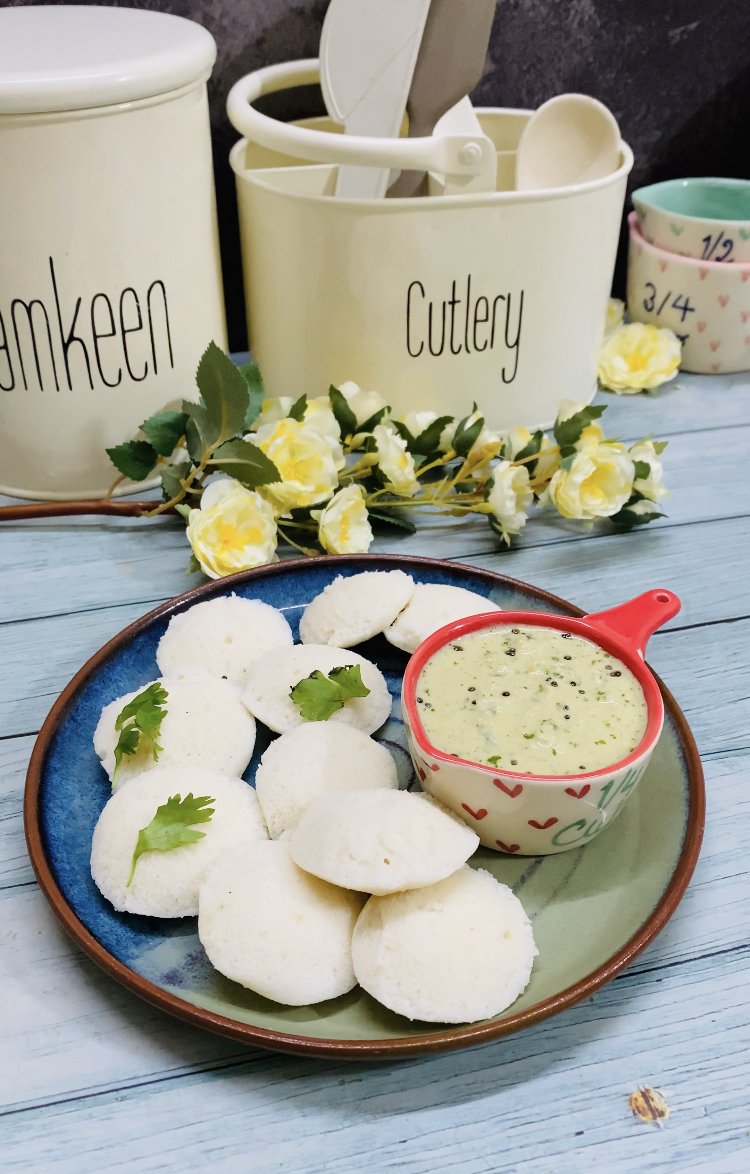
Bansi rava upma
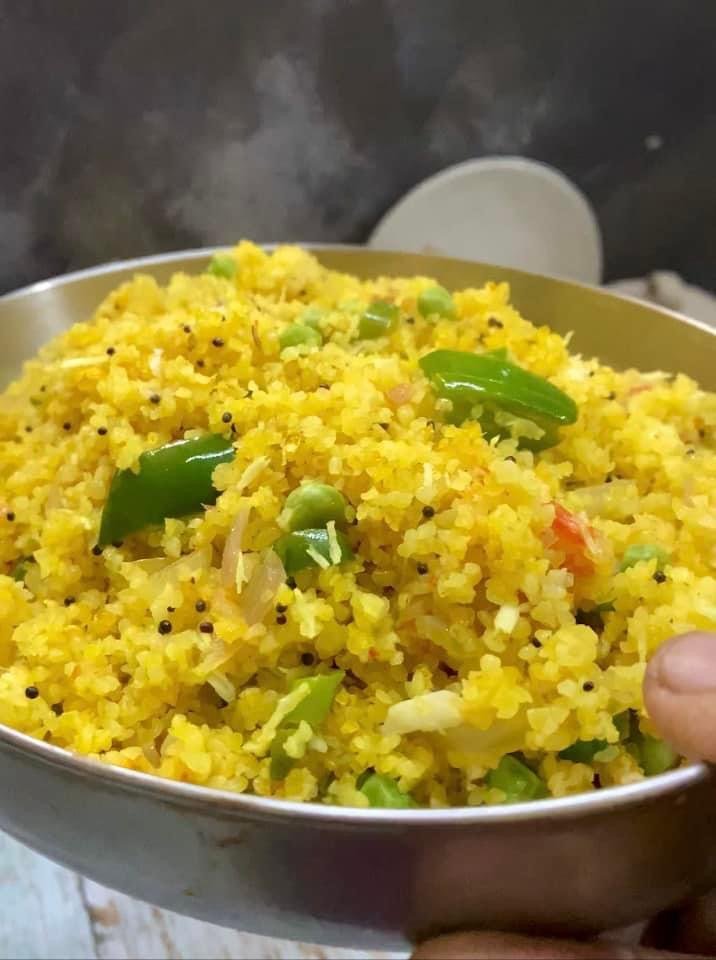
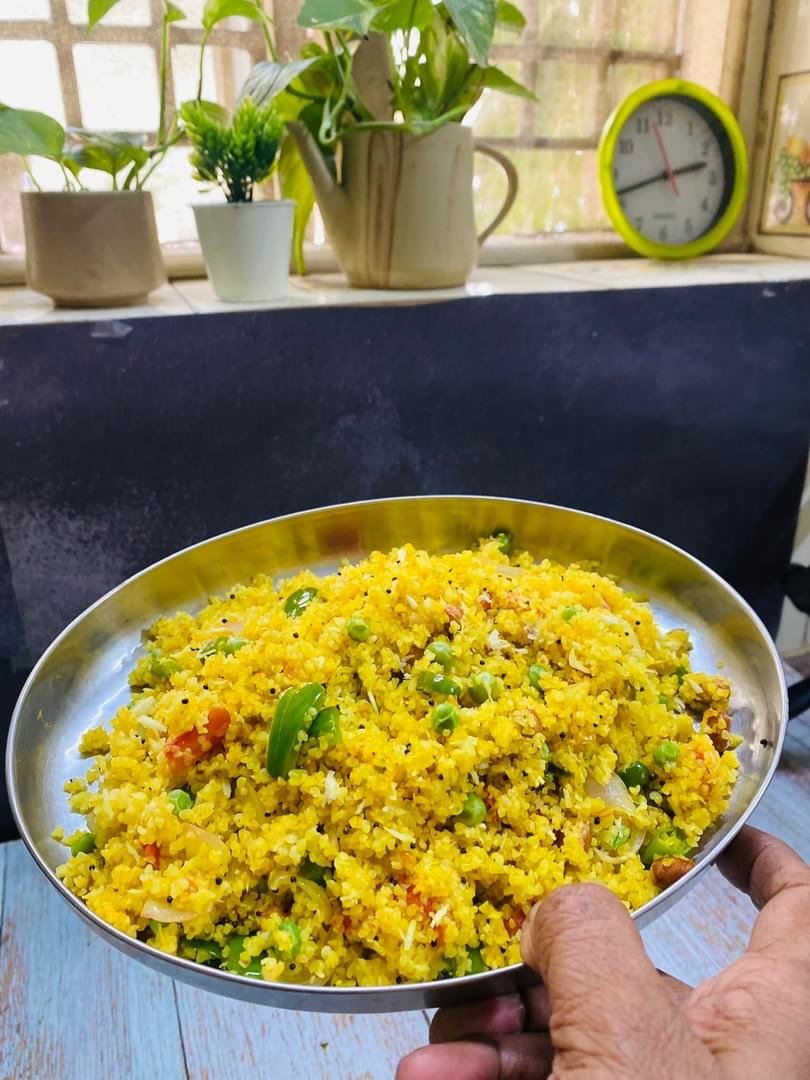
Bansi rava upma. ( earlier I had posted few video clips) this week once more I prepared a mixed veg upma using Bansi rava and so here is the whole video with a simple upma recipe .
Bansi rava upma.
Delicious ) easy method for beginners. Many beginners are not sure about making upma with Bansi rava and feel they must add more water, end up preparing either soggy or a dry uncooked upma.
The method below is very easy and anyone can prepare this in a jiffy.
Ingredients
1 cup Bansi rava ( whole-wheat Daliya )
1/4 cup finely chopped veg like onions, tomato, few green peas, chopped capsicums beans etc
Salt
1 tsp chopped chilies
Pinch of asafoetida
Pinch of turmeric optional)
Chopped coriander and curry leaves for garnish
1 tbsp ghee or oil
1/2 tsp mustard seeds
1/2 tsp split udad dal
1/2 tsp grated ginger
2/3 tbsp fresh grated coconut.
Method
Add 1 cup Bansi rava to a vessel. Add boiling water just to cover the rava well. Close with a lid .
Meanwhile . Take a Kadai, add oil or ghee . Crackle the mustard seeds, add split udad dal, let it turn golden, add ginger green chilies, few curry leaves.
Add chopped onions, green peas, and vegetables that you are adding . Add very little water to cook the vegetables. Sautee these till tender. Now open the lid of the vessel in which we have kept rava covered with boiling water. You will see all water has been absorbed, the rava is bigger and very fluffy.
Add this to the tempering and sautéed vegetables, add salt and stir till everything combines well.
Garnish with chopped coriander leaves, add 2-3 tosp of fresh grated coconut for flavour. In this method you don't have to add water as it is already added in the beginning.
Therefore there will be no lumps and this type of fluffy upma is very delightful and delicious . 😋. It stays soft and separate grains all day. This method uses very little oil or ghee . Makes a very good lunch box recipe.
Bansi Rava Upma
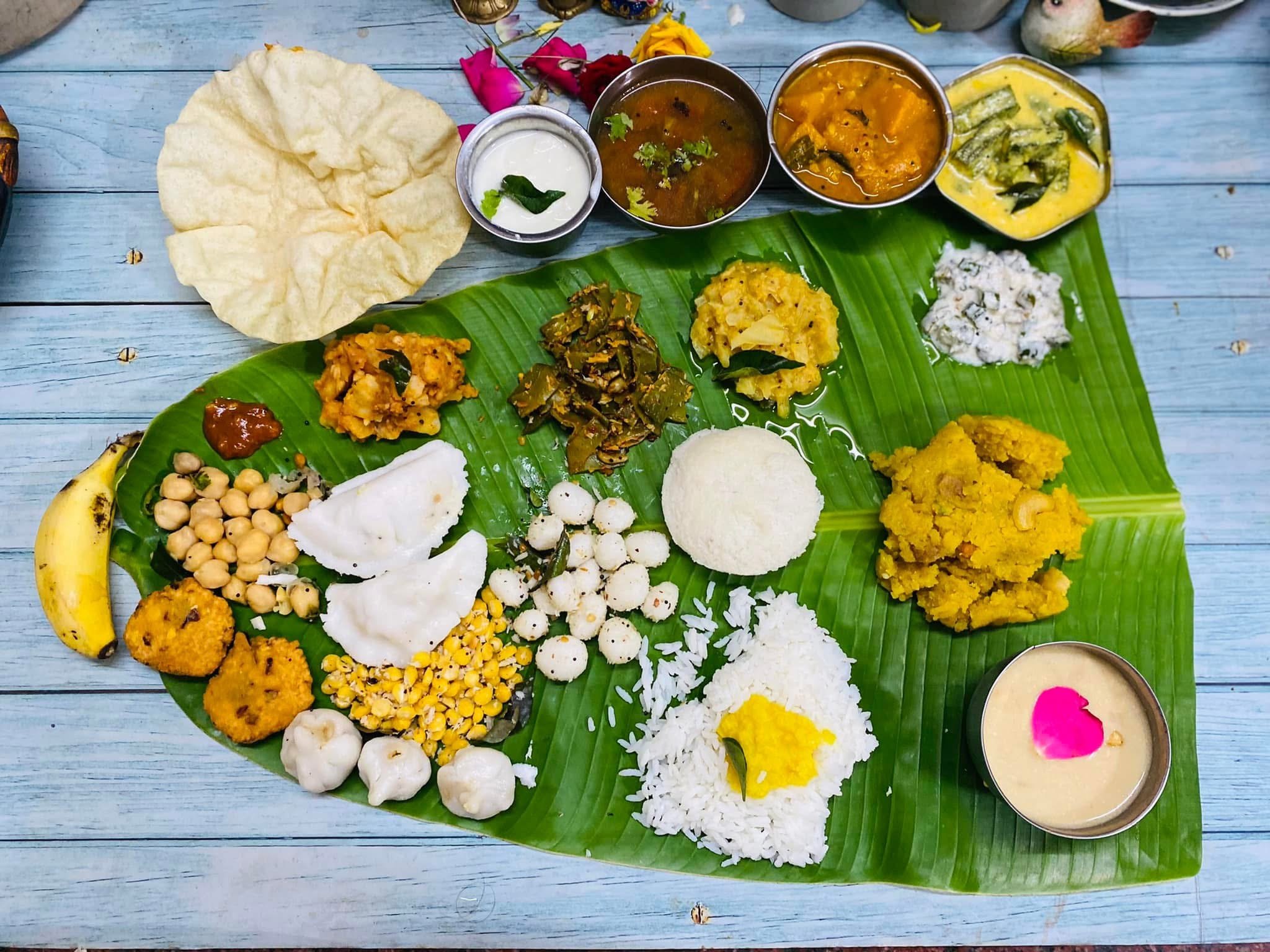
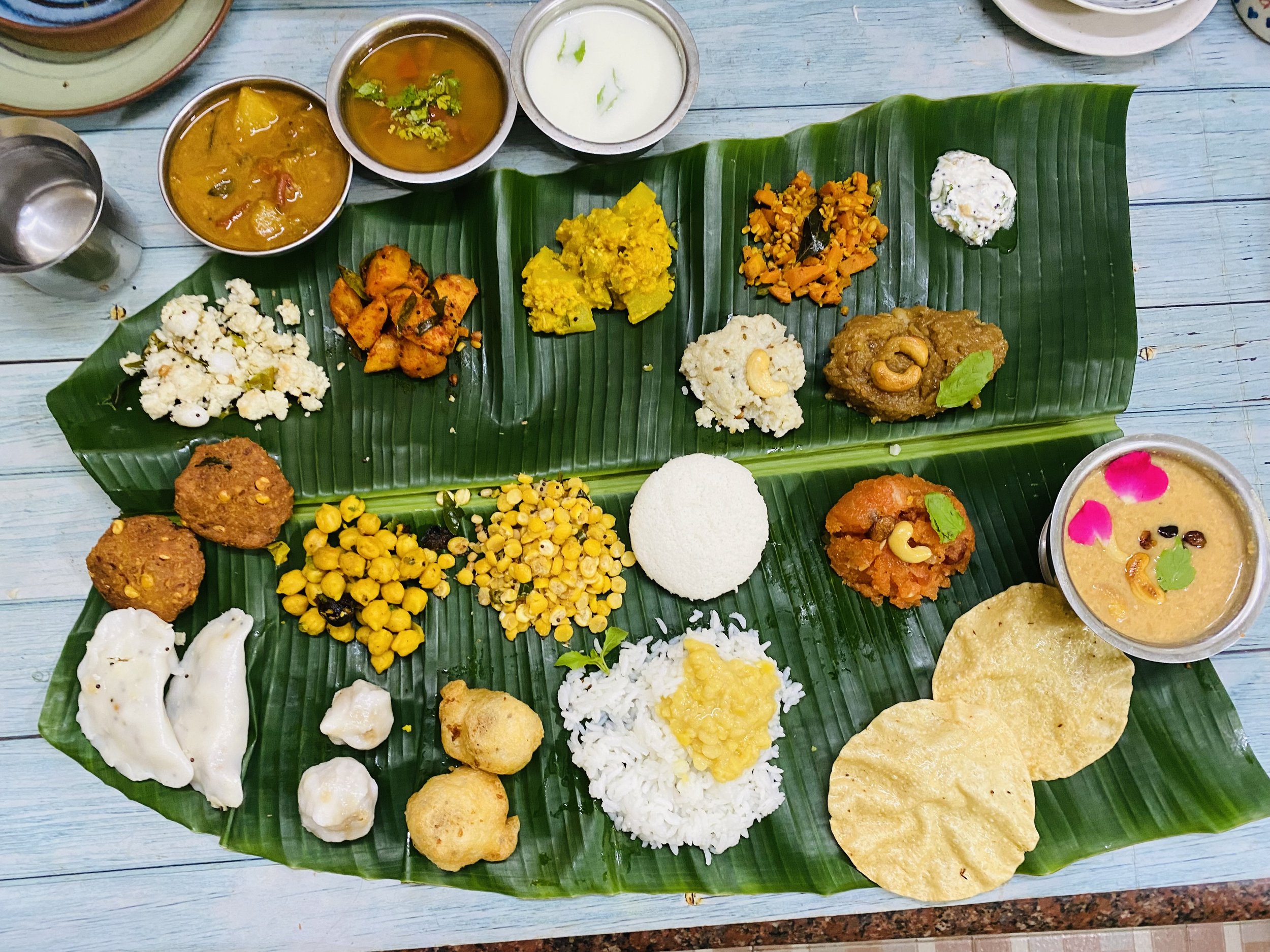
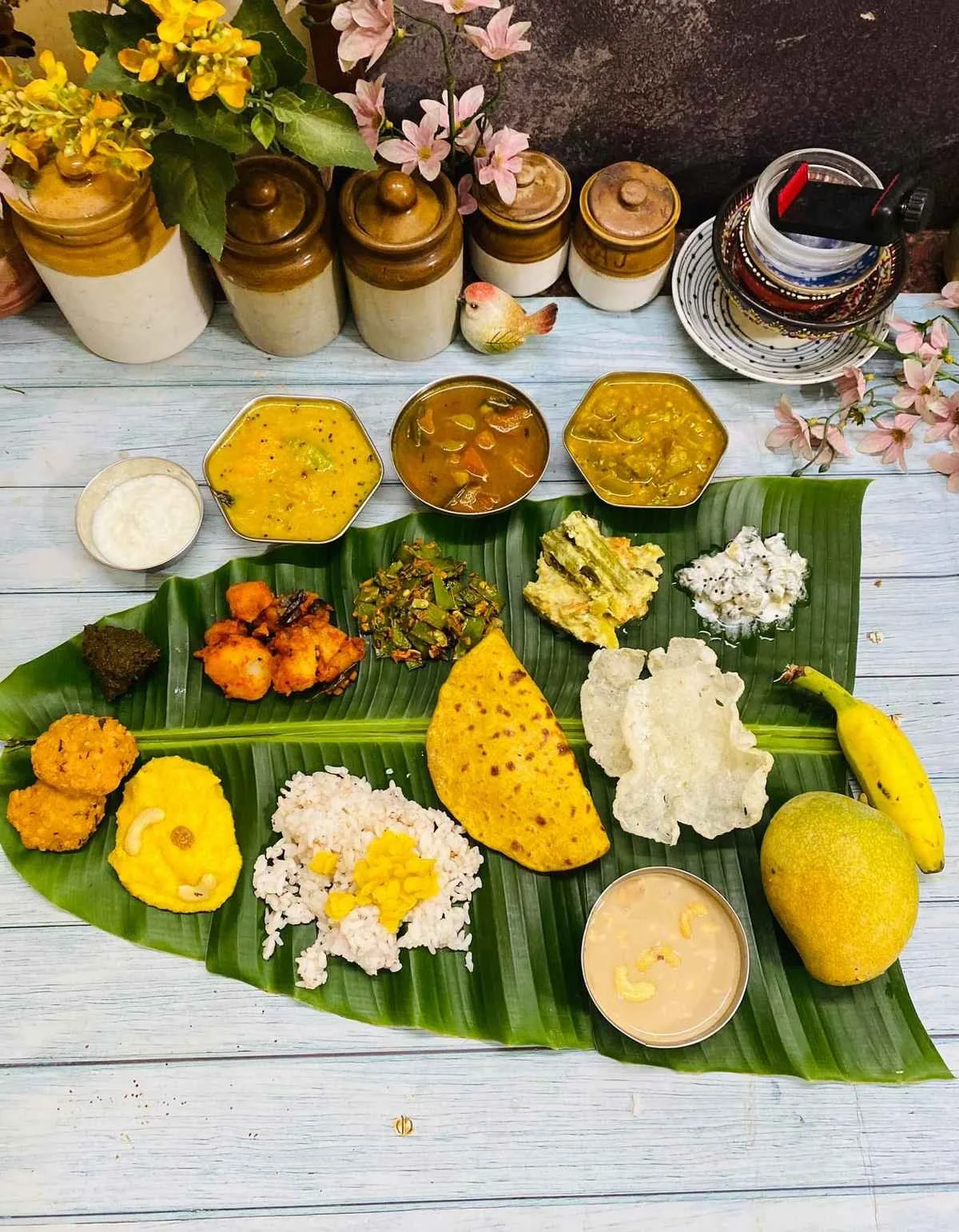
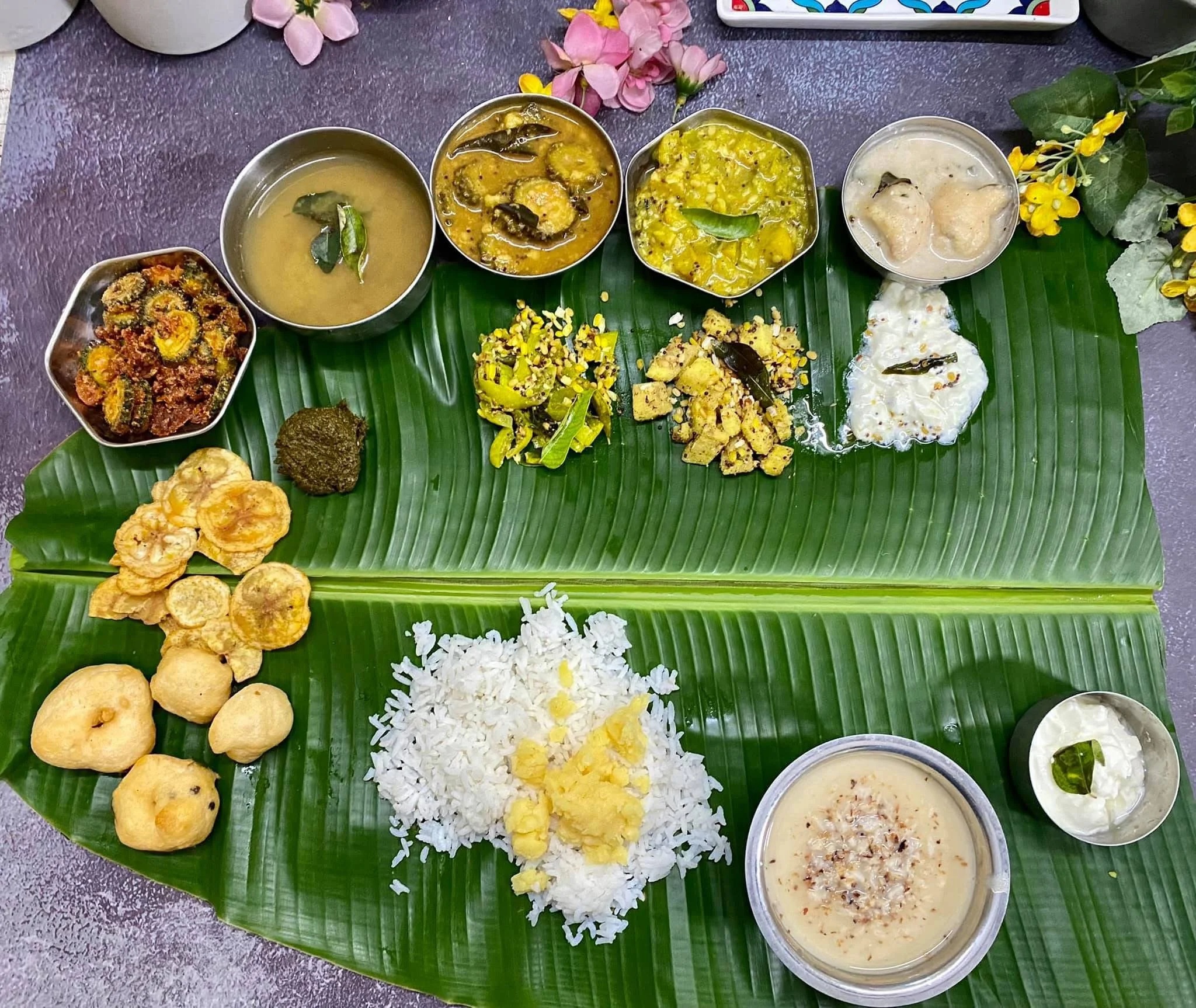
Ganesh Chaturthi festive lunch thali on banana leaf with rice, sambar, rasam, poriyal, vada, payasam and kozhukkattai
Ganesh chaturthi is an important Hindu festival celeberated with great fervour all over India . Many sweets and snacks are prepred as offering in Neivediyam , one such is the popular karchikai/somas or karanji as it is called in many states .
Uppu kozhakkai or salt kozhakkat / ulundh kozhakkatai for Ganesh chaturthi prepared inn an easy manner .
Modaka or modakam is an important neivediyam offered to Lord Ganesha on Ganesh Chaturthi. Leran how to prepare the same with many helpful tips for beginners
There are at least three ways you can prepare the kozhakkatai maavu . learn how to do it very easily .
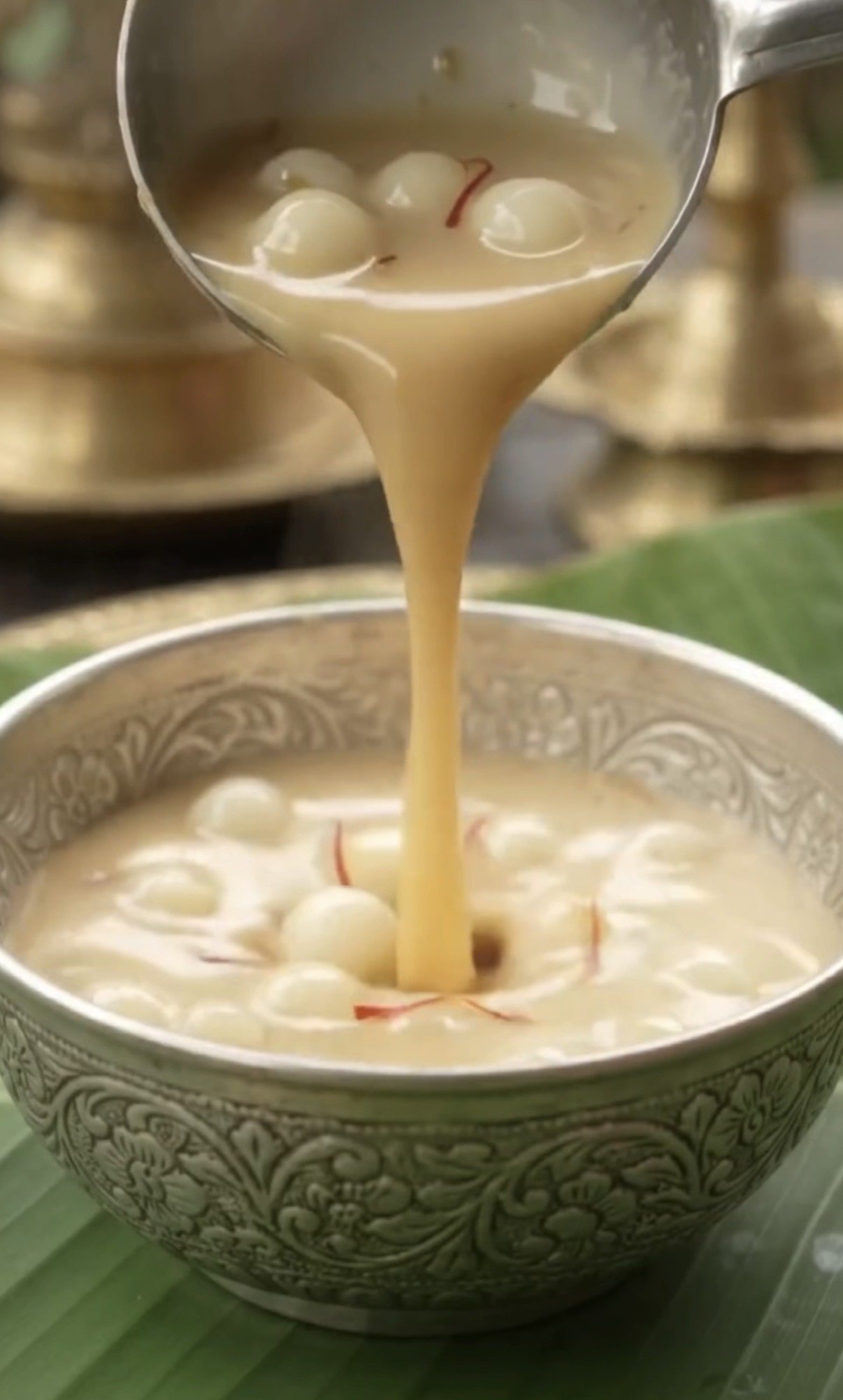
Aval Paal Kozhukattai - Soft and smooth poha balls in creamy coconut milk and jaggery. A easy prasadam that melts in mouth.
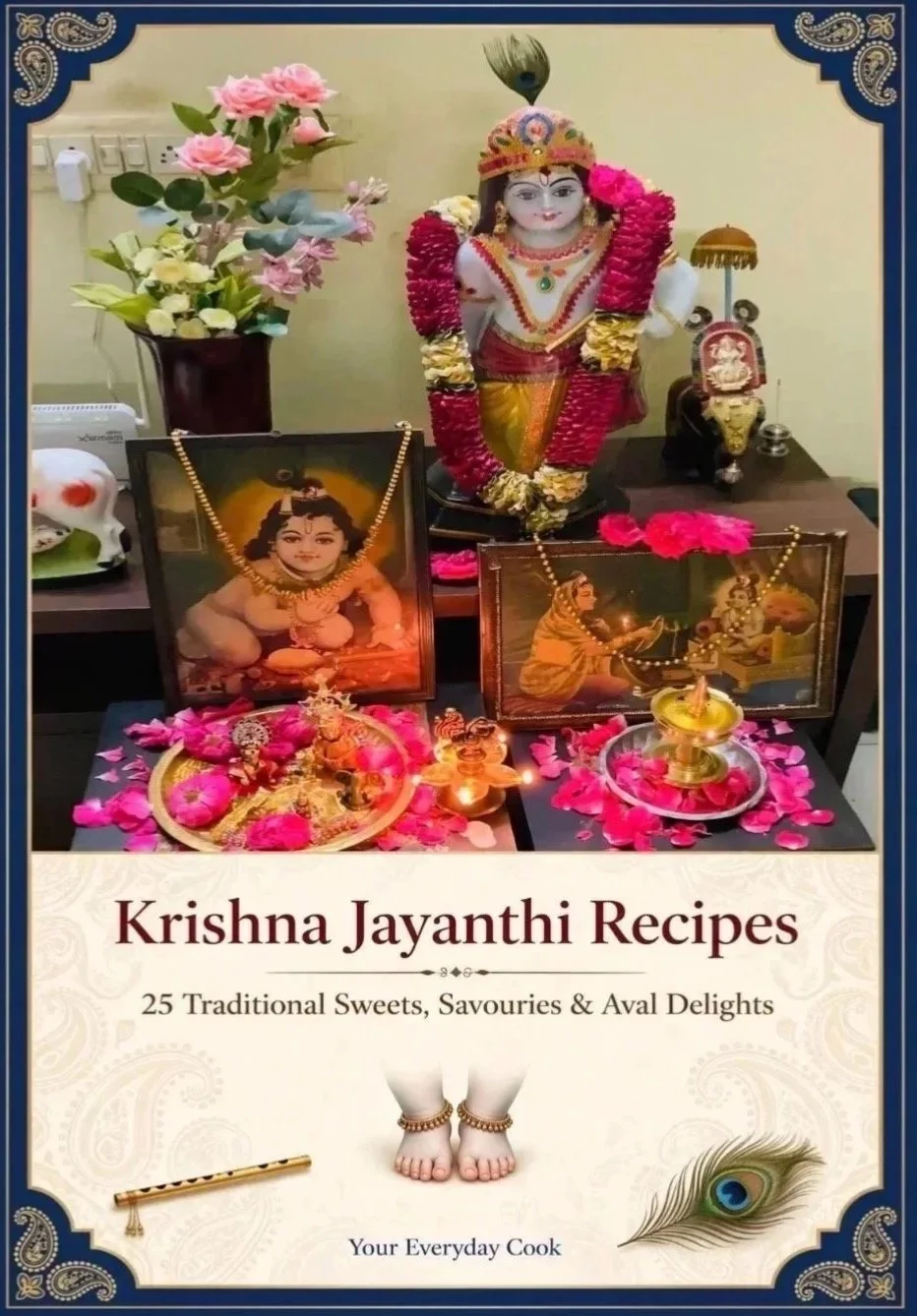
Celebrate Krishna Jayanthi with 25 traditional Gokulashtami recipes — crunchy Uppu Cheedai, sweet Vella Cheedai, ribbon pakoda, aval delights and more. Grab the free downloadable recipe booklet inside!
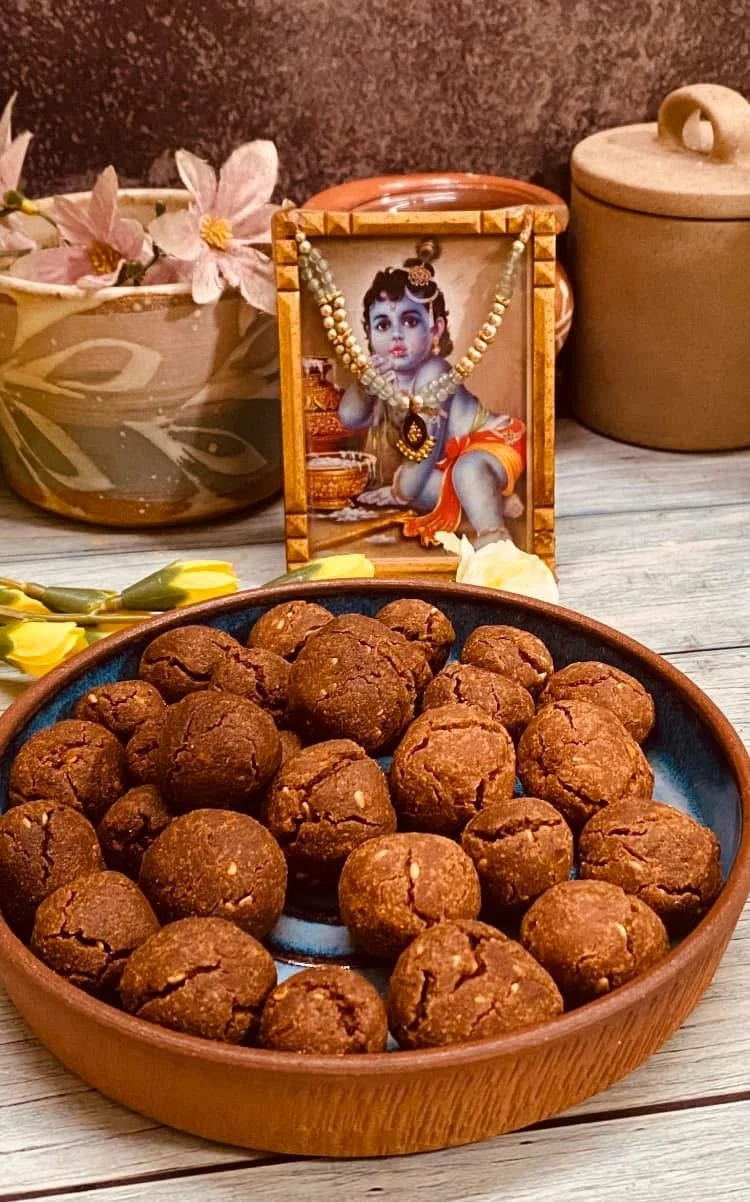
Crispy, golden-brown Vella Cheedai — a traditional South Indian jaggery sweet made especially for Krishna Jayanthi (Gokulashtami).
A free 49-recipe collection for Avani Avittam — traditional South Indian festival dishes from payasam to vadai, ready to download and cook.
Onam Recipes 🌿🥥
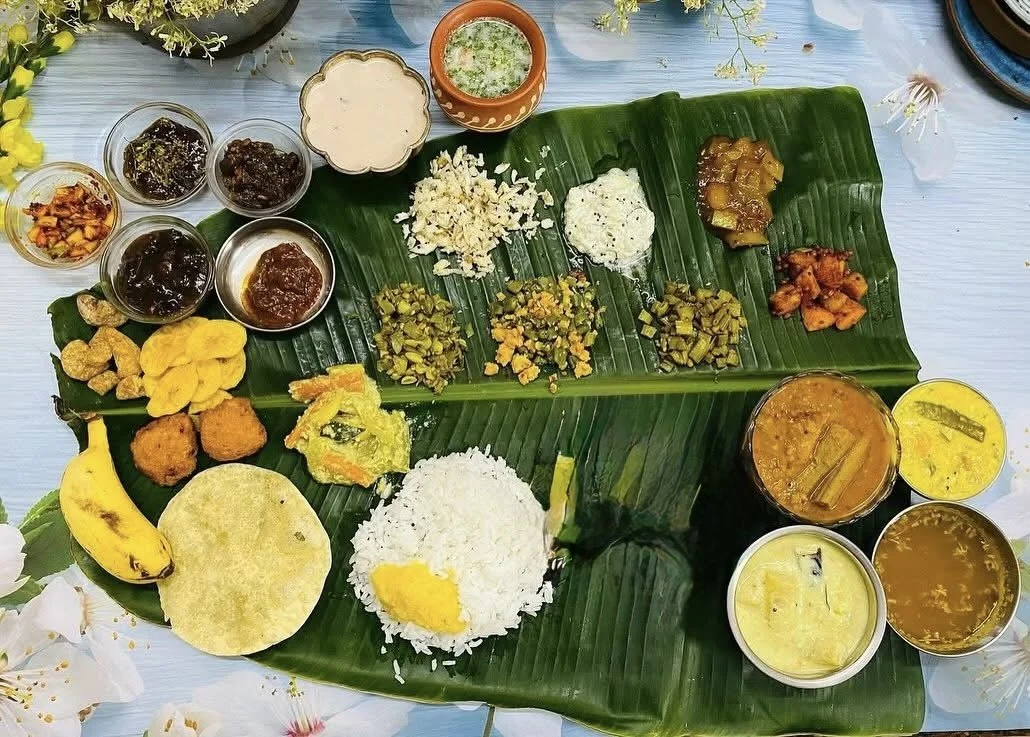
Celebrate the flavors of Kerala with a delicious collection of traditional Onam recipes—from comforting curries and creamy payasams to festive Sadya favorites. Simple, authentic, and made with love, these recipes bring the taste of Kerala straight to your table.
Five batters, five regions, one griddle. From chickpea-millet to Mulbagal and Khaali Dosay, a tasting trail of 5 dosa varieties that never make it to restaurant menus — crispy, fermented and straight from my kitchen diary.
Build your own Aadi Ammavasai thaali — pure satvik, no onion no garlic, served with love on vazhai ilai to honor our ancestors.
A humble yet essential part of the Kerala Sadya, Paruppu Thoran brings together the goodness of lentils, fresh coconut, and gentle spices in one comforting dish.
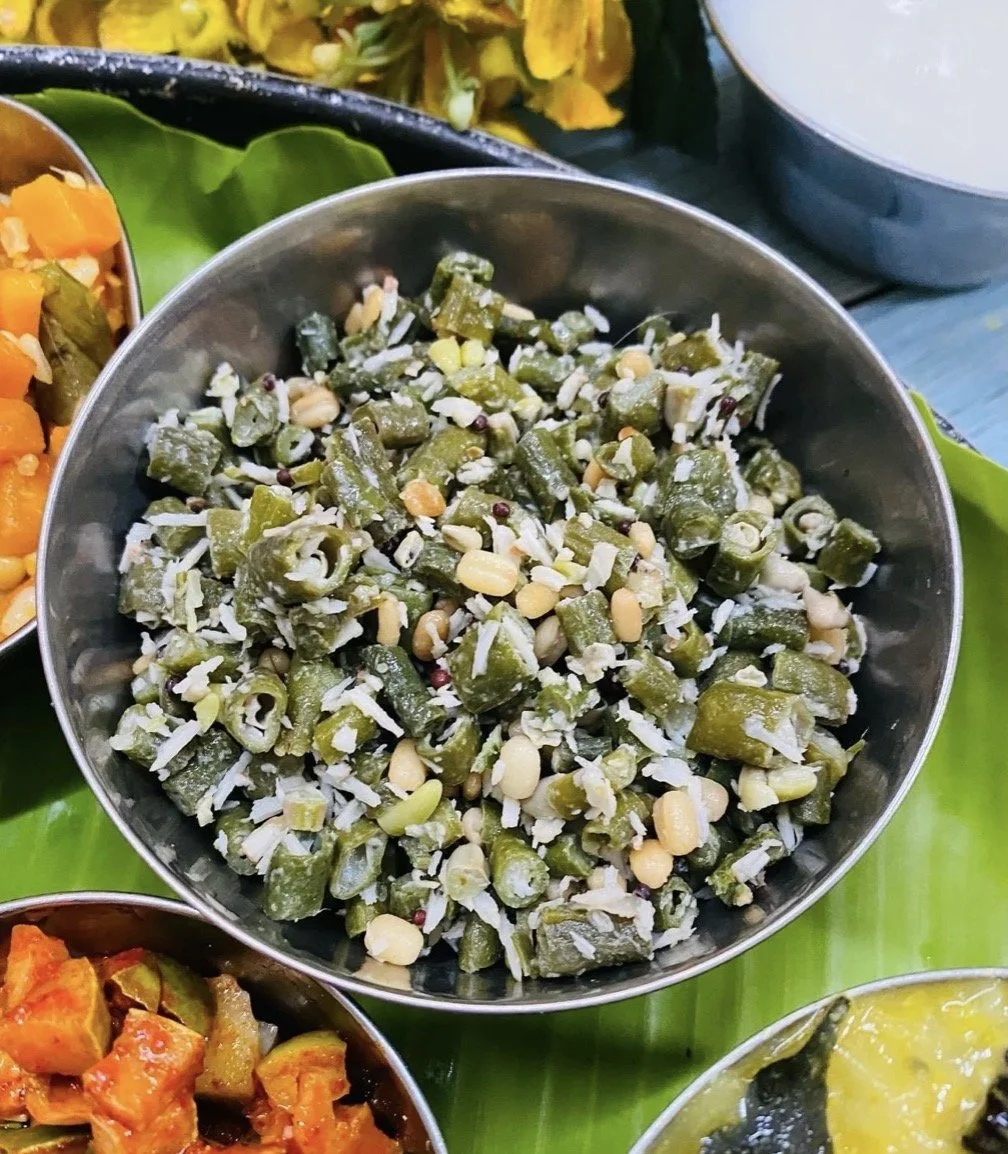
A simple Kerala Sadya classic made with fresh achinga payar, coconut oil, and spices. A homestyle vegetable dish that pairs perfectly with rice and curries.
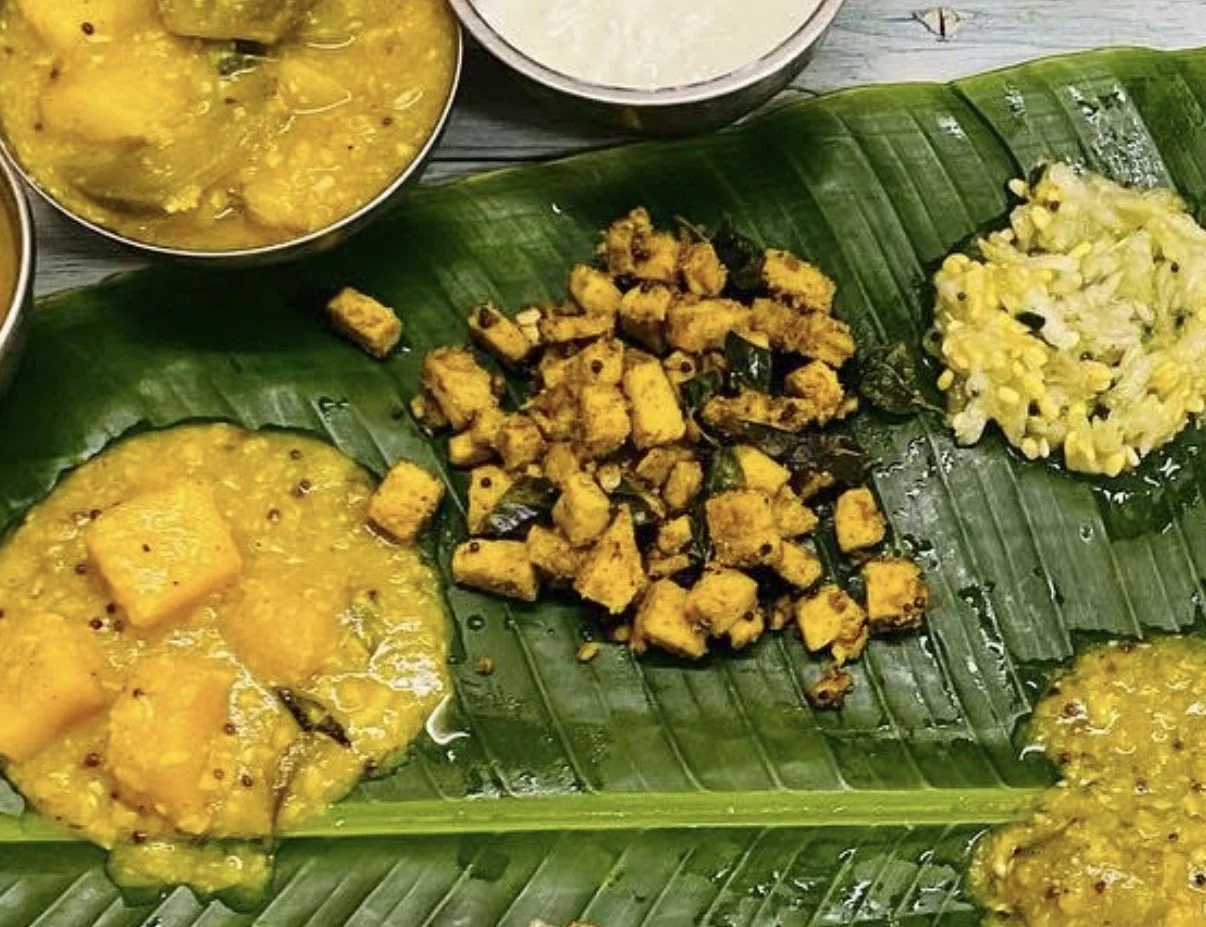
A simple Kerala Sadya favorite made with tender chena, coconut oil, spices, and curry leaves, roasted until lightly crisp and full of flavor.
A simple and comforting Kerala Sadya classic, Paruppu Curry is traditionally enjoyed with hot rice and a drizzle of ghee.
A traditional Kerala Sadya favorite, Kootu Kari brings together vegetables, chickpeas, coconut, and spices for a hearty and flavorful side dish.


Delicious easy quickmawa modaks for Ganesh Chaturthi.